12 Mola Mola Dive Sites in Bali: Where Divers See Them
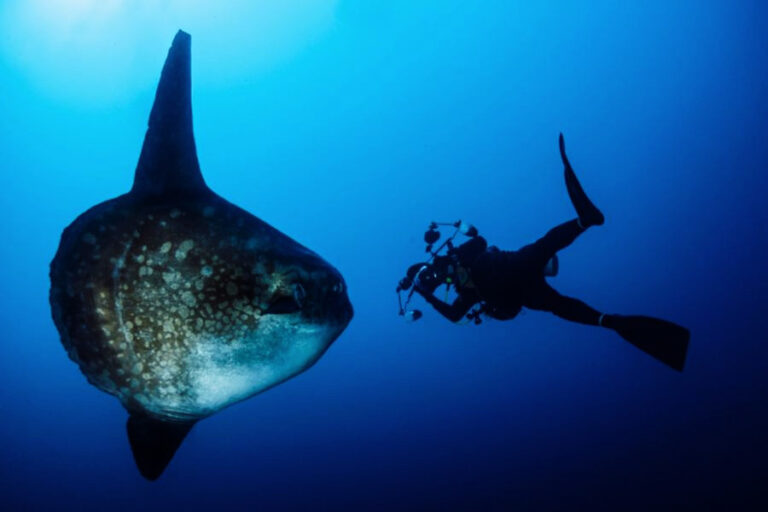
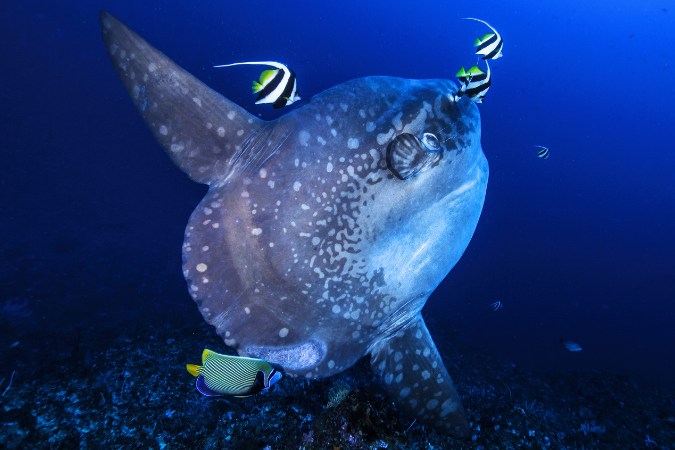
Bali has more confirmed mola mola dive sites than anywhere else in the world. This guide covers all 12, ranked by sighting frequency, with specific depth, current, and timing information…

Curious about to try scuba diving in Bali but not ready to commit? Bali lies in the Coral Triangle, packed with marine life, calm waters, and spots like Nusa Penida manta point, Tulamben wreck, or Padang Bai reefs are the best places for your first scuba dive.
Try Scuba Diving lets you experience breathing underwater on a 1-day intro diving. No need a scuba certification or strong swimming needed, just comfort in water. Sanur centers handle pool practice plus 1-2 easy ocean dives.
This guide explains it simply: what Discover Scuba Diving (DSD) is, the different between try dive and courses, who can join this beginner dive program in Bali, the schedule of this beginner diving experience, safety tips, and Sanur prices for usual beginner dive sites.
Try Scuba Diving, also known as Discover Scuba Diving (DSD), is an introductory program run by PADI, the Professional Association of Diving Instructors. Unlike full certification courses that take multiple days and require studying, this beginner scuba session is a focused, hands-on experience designed to give participants a real taste of recreational diving.
The program takes about 6–8 hours from beginning to end and includes three parts: a classroom briefing, confined water training (usually in a pool or shallow bay), and two open water dives from a boat. Throughout the experience, a professional instructor or divemaster keeps a maximum of two participants, ensuring personal attention every step of the way.
Discover Scuba is made to be easy to access. The only real needs are:
Important: you don’t need to be a strong swimmer. Many people who complete try scuba dives have minimal swimming experience. Your instructor teaches underwater skills that are different from swimming, so feeling comfortable in water matters more than being an excellent swimmer.
Discover Scuba Diving requires no certification card and must always be supervised by a dive professional. The maximum depth during these intro scuba sessions stays limited to 12 meters (40 feet). Dives completed as part of this beginner scuba program still count toward full PADI Open Water Diver certification if training continues at the same dive center down the line (with some adjustments on theory, skills conducted and open water dives).
The PADI Open Water Diver course is a comprehensive certification allowing independent diving with a certified buddy to depths of up to 18 meters (60 feet).
In Bali, beginner scuba experiences are often flexible and adapted to the conditions and the comfort of each guest. Before every dive, you will always receive a full safety briefing, equipment explanation, and skill practice with an instructor.
Some people prefer to start in a swimming pool or calm, shallow water. This gives extra time to get used to breathing underwater, clearing the mask, and feeling relaxed before going into the sea. This option is great for first-timers or anyone who wants a slower, more controlled start.
Other guests feel confident and comfortable in the water and are happy to begin directly in the ocean. In this case, all the necessary skills are still practiced in very shallow, calm conditions before the dive continues. Many people enjoy learning this way, especially in Bali’s warm water and gentle sites.
Both options focus on safety, comfort, and personal attention. Your instructor will always choose the best approach based on your experience level, confidence, and sea conditions — so you can enjoy your first scuba dive feeling relaxed and supported.
Dive days generally commence between 7:00 and 7:30 AM with hotel pickups arranged from key locations in South Bali. Transportation is provided from areas including Sanur, Seminyak, Kuta, Legian, and Nusa Dua, with small transportation surcharges for more distant areas such as Canggu, Uluwatu or Ubud.
Upon arrival, participants complete medical and consent forms, a standard procedure for recreational dive activities. These forms help instructors assess health considerations such as asthma, heart disease, recent surgeries, or diabetes.
The morning session includes a comprehensive equipment briefing where instructors demonstrate how each piece functions and introduce basic underwater communication via hand signals. Safety protocols and dive expectations are clearly explained. Participants choosing the full Try Scuba Diving program with pool session and online theory may follow an additional one-day schedule for select sites like Nusa Penida, allowing extra preparation time before the main dive day.
Before going into the open ocean, participant need to practice basic skills in a protected area, usually a pool or shallow bay with little current (depending on the dive site).
Confined water training sessions focus on few key skills:
The instructor only moves forward with each skill when you feel comfortable. There is no rush. This relaxed pace is what separates good diving programs from rushed ones.
Next, a short boat ride, usually 10 to 20 minutes, takes everyone to the open water dive site. The instructor explains the dive plan, what marine life to expect, and sets a safe depth limit of up to 12 meters (40 feet). Diving stays closely supervised so participants can explore at their own comfortable pace. Each dive typically lasts 30 to 45 minutes, based on air use and how they feel.
After the first dive, there’s a surface break of about 60 minutes for rest, snacks, and safe decompression. The second dive often feels much easier. Most first-timers relax, breathe more naturally underwater, and start enjoying the details they missed before, like fish schools or corals.
After coming back up from the second dive (or thrid dive), the trip will return to the dive center for a final talk with the instructor. This conversation covers about the guests experienced, sharing opinion, and whether the instructor give the suggestion in getting full Open Water certification the diving is good enough.
By around 4:00 to 5:00 PM, the acivity will be finished and back to the accommodations.
| Dive Site | Highlights & Access | Marine Life | Visibility | Suitable For |
|---|---|---|---|---|
| Tulamben – USAT Liberty Shipwreck | Shore entry, historic WWII wreck covered in coral, easy access and calm current. | Ribbon eels, moray eels, reef sharks, shrimp, schooling fish | 10–30 m | Beginners, Discovery Divers |
| Padang Bai – Blue Lagoon | Protected bay, gentle reef slope, short boat ride, calm conditions | Frogfish, angel fish, turtles, octopus, reef sharks | 10–25 m | First-time divers, nervous divers |
| Nusa Penida – Manta Point | Boat access, manta rays year-round, some current, longer travel | Manta rays, mola-mola (seasonal), sharks, barracuda, corals | 15–30 m | Confident beginners with prior dive |
The try scuba diving prices in Bali dive centers range from IDR 1,950,000 to IDR 4,100,000 per day, depending on the dive site and how many dives:
| Dive Site | Price (IDR) | Total Dives |
|---|---|---|
| Tulamben – USAT Liberty Shipwreck | 1,950,000 - 3,050,000 | 2 Shore Dives |
| Padang Bai – Blue Lagoon | 1,950,000 - 3,050,000 | 2 Boat Dives |
| Nusa Penida – Manta Point, Crystal Bay, Mangrove | 2,900,000 - 4,100,000 | 3 Boat Dives |
Most all-inclusive introduction dive packages cover:
Some dive centers offer the try diving activity including the online theory that has to be done before the pool training. The price range are vary from IDR 300,000 to IDR 1,600,000. Discover Scuba Diving at Bali Aqua Dive Center available at this options:
Extra services available from Bali Aqua Dive Center:
Book your Try Dive experience at least 1 to 2 days ahead. Most dive companies need a minimum of two divers per boat trip; people diving alone can join existing groups.
When booking, check:
Try Scuba Diving in Bali opens the underwater world to anyone curious about marine life. No need certain training or long commitment needed. One day makes it happen.
Certified instructors guide you to see colorful fish and sea turtles at easy sites like Liberty Shipwreck shallows or clean coral gardens. These first underwater moments create memories that last a lifetime for most.
Bali offers good prices (IDR 1,950,000 to 4,100,000), warm water (26 to 30°C), clear views (often 30 meters or more in dry season), and trusted dive centers. It’s the perfect place to start, whether you dive once or want full certification later.
Book in dry season (April to October) for best conditions. Diving works all year too. Contact PADI 5-Star centers in Sanur. Your underwater adventure awaits.
Bali combines several big advantages for first-time divers: warm tropical water (26-30°C), excellent visibility, vibrant coral reefs within the Coral Triangle’s highest marine biodiversity zone, professional PADI-certified dive companies, good prices compared to world standards, and fun cultural attractions to go with your diving trip.
Discovery Scuba dives usually stay shallower than 12 meters (40 feet), with many first dives between 8 and 12 meters. Your real depth depends on how comfortable you feel and site conditions. Instructors often keep nervous divers shallower than the maximum allowed.
Your instructor knows how to handle nervous divers. Most importantly, you can always signal that you want to go up. Your instructor will right away help you surface safely. Panic is rare when divers remember they can breathe underwater and stay next to their instructor.
Health conditions need checking before diving. If you have asthma, heart disease, recent surgery, or other health concerns, fill out your health form honestly. Many conditions stop safe diving; some let you dive with doctor approval. Your honesty keeps you safe.
Most dive companies keep a maximum of one instructor to two beginner divers, making sure you get personal attention. Some bigger groups happen when several instructor-student pairs dive together, but the 1:2 ratio per instructor is standard.
Manta ray sightings is in Nusa Penida – Manta Point. However it depends on today’s weather patterns, and luck. While possible on a Discovery dive, especially at Nusa Penida, sightings aren’t sure. Plan your dive hoping to see mantas, but not needing it for a great day.
No training is needed ahead of time. Your on-site confined water training covers everything you need to know. Many first-time divers worry they’re not ready, but that’s exactly why Discovery Scuba exists: to teach complete beginners in a safe, controlled way.
PADI-certified dive centers follow globally recognized safety and training standards. A 5-Star rating means the dive center maintains top-tier facilities, professional staff, and a solid educational track record, of course essential for both beginners and advanced divers.
Yes, most Bali dive shops offer high-quality gear rental, often included in their dive packages. Equipment typically includes BCD, regulator, wetsuit, fins, and mask. Some shops also offer computer and underwater camera rentals.
Absolutely. Many dive centers, including Bali Aqua, Crystal Divers, and Sanctum Exploration, actively support reef cleanups, marine education, and sustainable diving practices. Look for shops that promote conservation partnerships or include eco-briefings in their dives.
You can usually book directly via the dive center’s official website or contact them through email and WhatsApp. It’s best to reserve in advance during peak season (July to October). To book your dive trips, click here.
Dive companies put safety first. If wind, waves, or strong water movement make diving risky, companies reschedule your dive to the next day or offer different sites with better conditions. You’ll get a refund or new date, never forced into unsafe diving.
Children as young as 10 can do Discovery Scuba with parent permission. Some dive companies offer Junior Discovery programs with adjusted depths and smaller groups. Ask your specific dive company about their rules for kids.
Most diving safety rules say to wait 18 to 24 hours after diving before flight. Plan your trip this way: Do you discover scuba diving in Bali early during your trip and be sure ta have your flight back in afternoon the day after your amazing first experience diving in Bali.
Bali has more confirmed mola mola dive sites than anywhere else in the world. This guide covers all 12, ranked by sighting frequency, with specific depth, current, and timing information…
Mola mola are one of the most sought-after encounters in recreational diving. This guide covers the 7 best destinations in the world to see them, including when to go, which…
Bali, occasionally raises concerns about shark attacks among ocean enthusiasts. While the island’s waters are home to various shark species, incidents involving humans are exceedingly rare. This article delves into…
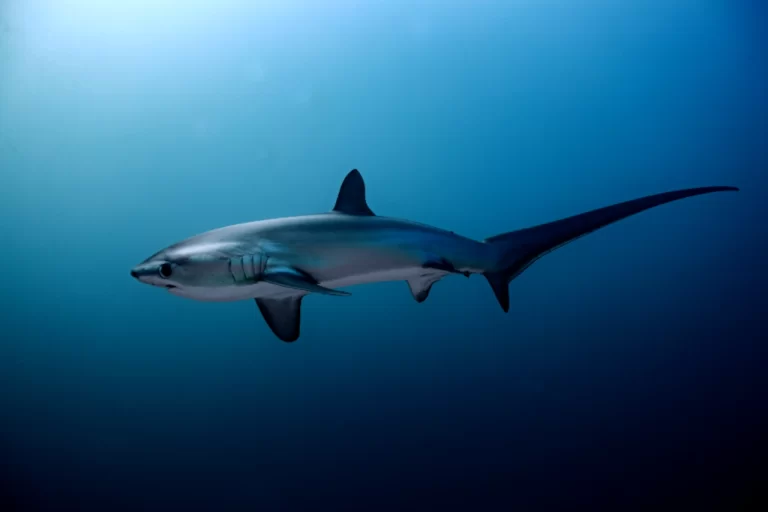
Bali and its surrounding islands offer scuba divers the thrill of encountering a surprising variety of shark species. From tranquil coral reefs patrolled by reef sharks to rare appearances of…
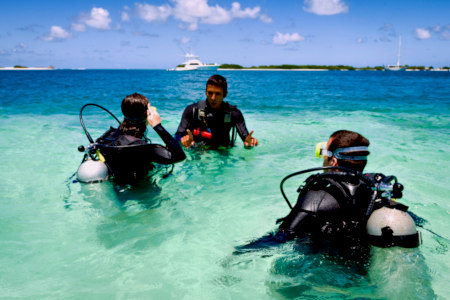
Discovery Scuba Diving (DSD) is a PADI-recognized introductory experience designed specifically for beginners and first-time divers. It needs no prior training, no high-level swimming ability, and can be finished in…
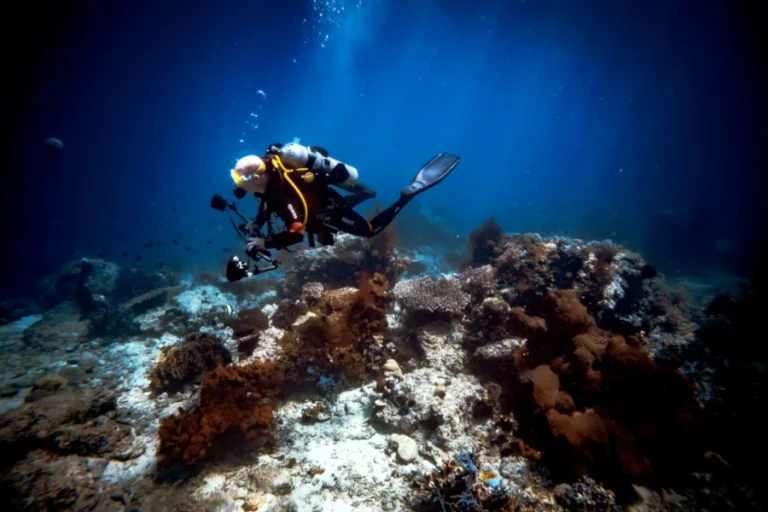
PADI Advanced Open Water Diver Course The advanced open water diver course has 5 dive specialties to choose. Two are chosen for you, Deep and Navigation, the other three are…
Mola mola are one of the most sought-after encounters in recreational diving. This guide covers the 7 best destinations in the world to see them, including when to go, which…
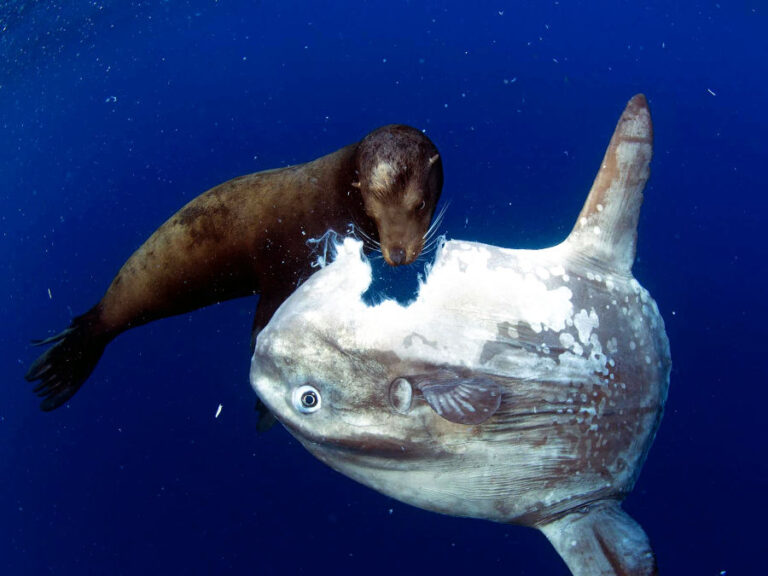
The internet claims mola mola are the dumbest fish alive. But science tells a completely different story. Here’s the truth about ocean sunfish intelligence.
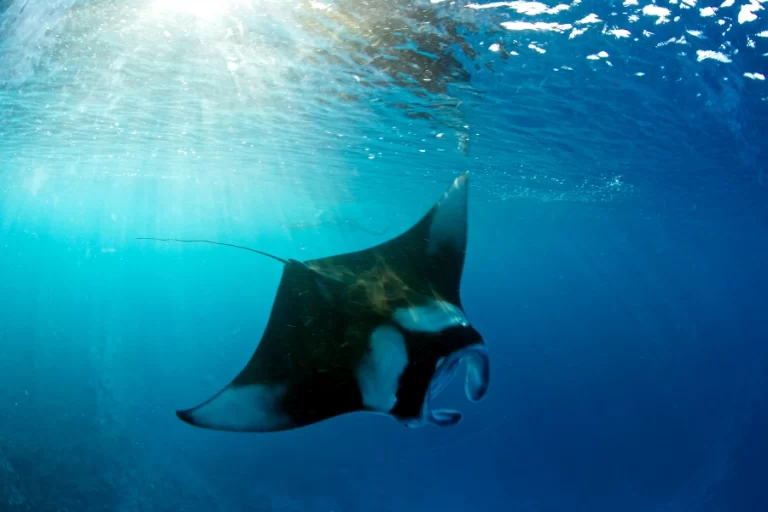
The Nusa Penida MPA has an official Manta Ray Code of Conduct outlining how divers and snorkelers should behave around these gentle giants. By following this code, you not only…