Top 10 Dive Centers in Bali: Where to Find the Best Scuba Diving Experiences
Bali is a dream destination for scuba divers of all levels. With clear waters, vibrant coral reefs, and a wide range of marine life, it’s no surprise that divers from…

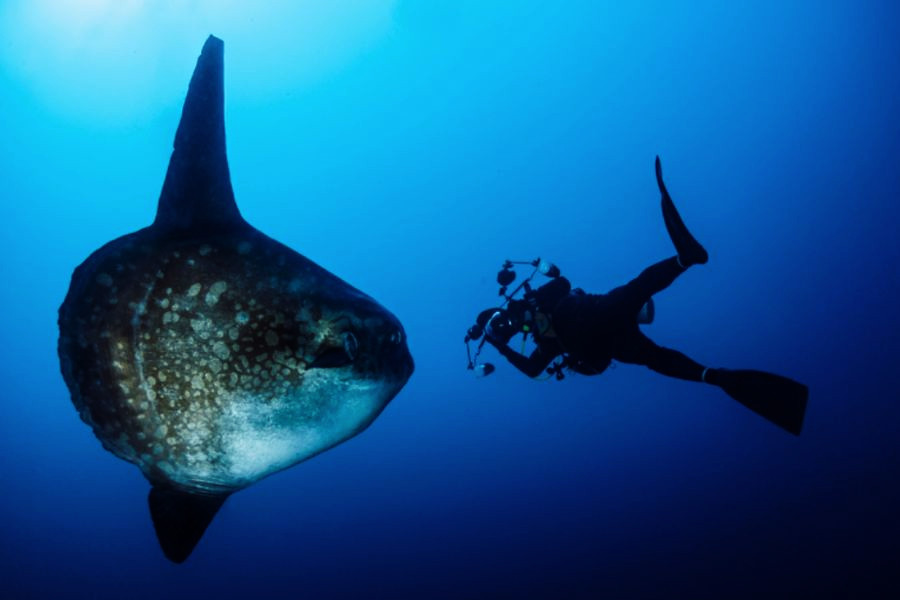
Most articles point you to Crystal Bay, Blue Corner and stop.Yet, dive operators who track sightings have recorded mola mola encounters across the channel between Nusa Penida and Nusa Ceningan, along the north coast drift sites, at Manta Point’s wall, and at three volcanic islets off Padang Bai on Bali’s east coast. If you are planning to dive with mola mola in Bali, this guide covers every confirmed site.
All twelves sites run the same season: July to October, when cold water rises from depth and drops temperatures from a baseline of 25 to 29°C down to as low as 16°C in August and September. Sites at the top of this list have the most consistent sightings. Sites toward the bottom are real spots where the ocean sunfish shows up in season but less reliably.
Crystal Bay has two coral formations that drop into a wall past 50 meters. Local guides call the main cleaning station the Second Corner, a rocky outcrop just outside the bay where mola mola come to be cleaned by smaller fish at 20 to 40 meters deep. The bay sits in a cold upwelling corridor, which is what draws mola mola here consistently. In August and September, seeing more than one at the same cleaning station in a single dive is common. In early August 2024, an Open Water diver spotted one at just 5 meters on the shallow section of the bay.
Bannerfish clustered in open water away from the reef, facing the blue, are the most reliable signal that a mola mola is approaching. Water temperature: 18 to 22°C in season. Visibility: 20 to 40 meters. Advanced Open Water required for second wall.
Blue Corner is a wall dive off the northwest tip of Nusa Lembongan, starting at 12 meters and dropping beyond 30 meters. Mola mola pass through here rather than staying at a fixed cleaning station. When conditions are right, divers can see several in one dive: up to ten mola mola were reported on a single dive in September 2024. When conditions are not right, better to change to another site less challenging.
The site requires slack tide and low swell. Also current can be strong and surface check need to be done to adjust dive plan-briefing. Water temperature: 18 to 26°C in season. Visibility: 15 to 30 meters.
All three islands sit near Padang Bai on Bali’s east coast in front of Candi Dasa, where strong currents bring the same cold water that draws mola mola to Nusa Penida. The season runs July to October. Fewer dive boats come here compared to Nusa Penida, which means less crowding at the cleaning stations and generally longer, calmer encounters when mola mola show up.
Gili Tepekong is 20 to 25 minutes by jukung from Padang Bai. The canyon dive, known as The Toilet bowl, and the east wall to 40 meters are both Advanced-only. The highest recorded single-dive count at any Padang Bai site is 18 mola mola at Tepekong. Water temperature: 18 to 28°C. Visibility: from low to up to 40 meters.
Gili Mimpang is made up of three rocky outcrops about 20 minutes by speedboat from Padang Bai. It is one of the best spots in Bali to see sharks, with dive centers reporting a high sighting rate. Between the outcrops there is a sandy slope with a cleaning station where mola mola appear from July to October. Visibility here can be low to 30 meters.
Gili Biaha located in 4 kilometers east of Tepekong. The shark cave entrance sits at 10 meters with whitetip reef sharks inside. Mola mola appear during July to October, though less frequently than at Tepekong. Best dived in the morning before the wave getting stronger.
All three require Advanced Open Water with experienced and recent diving within the past six months. Maximum four divers per guide.
Toyapakeh starts at 6 meters on a soft coral slope and goes down really deep at the northwest entrance to the Nusa Penida channel. The current here is tidal and fairly easy to read, making it one of the more manageable drift dives in Nusa Penida diving. Mola mola appear at 20 to 30 meters where the slope deepens and the water gets colder. Water temperature: 20 to 28°C in season. Visibility: 15 to 30 meters.
SD Point and Ped sit on the north coast of Nusa Penida, part of a continuous reef wall running approximately 8 kilometres from 5 to 40 metres depth. Mola mola appear here as open-water passing encounters rather than at fixed cleaning stations – sightings depend on following the thermocline into the blue.
SD Point is a drift dive along the north wall where mola mola are spotted in open water as they pass through the current. One safety note specific to this site: if the current reverses direction mid-dive, stay close to the reef and begin ascending immediately – a reversal here can precede a strong downward current. Water temperature: 20–28°C in season. Visibility: 15–30 metres.
Ped runs along the same continuous wall to the east of SD Point. Mola mola encounters here tend to occur when guides follow a thermocline into the blue – on one occasion a guide encountered three mola mola in a single dive by tracking the cold water layer offshore. Conditions are similar to SD Point but the site is slightly more sheltered depending on current direction. Water temperature: 20–28°C in season. Visibility: 15–30 metres.
Ceningan Wall runs along the channel between Nusa Penida and Nusa Ceningan. Local operators list it alongside Gamat Bay and Blue Corner as one of the three best sites for seeing multiple mola mola in one dive. Like Blue Corner, mola mola here are moving through the channel rather than sitting at a cleaning station. The site is more sheltered than Blue Corner and can be dived in a wider range of conditions. Water temperature: 18 to 26°C in season. Visibility: 15 to 30 meters.
Manta rays are the main reason most boats come to Manta Point, and they are here year-round. Mola mola show up seasonally on the wall at the far end of the site, which can drops to 40 meters. This is separate from the manta cleaning stations, which sit at 3 to 12 meters on the sandy bottom.
Local dive guide often spotted mola mola and a manta ray at the same time on the wall. Operators who track sightings across Nusa Penida rate Manta Point as the site with the most undisturbed mola mola encounters. Getting there takes about 45 minutes by boat from Ped or Toyapakeh, and whether you can reach the wall depends on the swell from the south. Water temperature: 20 to 28°C at the manta stations, colder on the wall in season.
Gamat Bay sits between Crystal Bay and Toyapakeh, directly in the stretch of water where cold upwellings are most active. There is a confirmed mola mola cleaning station here in season. Local operators group it with Blue Corner and Ceningan Wall as one of the three best sites for seeing multiple mola mola in a single dive. The bay has a sandy floor at 5 to 12 meters with coral bommies and sea fans. Mola mola tend to appear at the outer edge of the bay where the water gets deeper. It is sheltered enough to dive on days when Crystal Bay or Blue Corner are too rough. Water temperature: 18 to 24°C in peak season. Visibility: 15 to 30 meters. Advanced Open Water recommended.
Malibu Point is on the far east coast of Nusa Penida. It is reachable on a day trip from Nusa Penida itself or directly from Sanur on Bali’s main island. The dive is a steep wall with table corals and bommies going down to 22 meters, with strong and sometimes unpredictable current. It has the widest variety of shark species of any site in Bali. Mola mola do appear here from July to October, but this is not a site you plan around for mola mola specifically. It is a demanding drift dive where a mola mola encounter is a bonus, not a guarantee.
Three species of ocean sunfish have been recorded in Bali’s waters: Mola mola (common ocean sunfish), Mola alexandrini (bumphead sunfish), and Masturus lanceolatus (sharptail mola). The vast majority of encounters at Nusa Penida dive sites involve Mola alexandrini and Mola Mola. The two can be distinguished by head shape – Mola alexandrini has a distinctive bumped profile above the eyes, while Mola mola has a rounder, smoother head.
A dedicated guide to identifying the different sunfish species found in Bali is coming soon.
July to October at every site on this list. August and September are the most reliable months for diving with mola mola in Bali. July can be hit or miss because the water takes time to cool down. The 2024 season had its last recorded sighting on November 5.
Several operators have noticed that sightings go up around full moon and new moon. The belief is that the moon affects tidal currents, which in turn affects how much cold water rises to shallower depths.
Crystal Bay is the most consistent site overall. Blue Corner has produced the highest single-dive counts – up to ten mola mola spotted in one dive in September 2024 – but sighting numbers there depend heavily on conditions on the day. For first-time visitors, Crystal Bay gives the most reliable chance of an encounter.
Mola mola have been recorded at various locations around Bali, but the most consistent and documented sites are concentrated in two areas: Nusa Penida and the Gili islands off Padang Bai. Nusa Penida offers the highest frequency of encounters, while Gili Tepekong, Gili Mimpang, and Gili Biaha provide reliable sightings from July to October with the added element of stronger currents and deeper encounters. Outside these two areas, sightings are occasional and harder to plan for.
Most encounters happen between 18 and 40 metres at cleaning stations on the reef. Planning for 20 to 30 metres gives you the best chance. Mola mola are not restricted to depth – undisturbed fish will rise freely and have been spotted at the surface. Following temperature drops and watching for bannerfish hovering in open water are more reliable indicators than targeting a specific depth.
Advanced Open Water is recommended for most mola mola sites, as cleaning stations typically sit between 20 and 30 metres and conditions can include strong current. At the Gili sites – Tepekong, Mimpang, and Biaha – Advanced Open Water is mandatory due to depth and current requirements. Open Water certified divers may encounter mola mola at shallower moments, but to maximise your chances across all sites an Advanced certification gives you significantly more options.
Three species of ocean sunfish have been recorded in Bali’s waters – Mola mola, Mola alexandrini (the bumphead sunfish), and Masturus lanceolatus (the sharptail mola). The most commonly encountered species at Nusa Penida sites is Mola alexandrini, identifiable by the distinctive bump above its eyes. True Mola mola sightings are less frequent. A Masturus lanceolatus was filmed at Gili Mimpang before 2020, making it one of the few documented records in the area.
During the mola mola season from July to October, surface water temperatures generally range from 20 to 26°C – cooler than the 25 to 29°C baseline outside the season. Thermoclines are common at depth, and water temperature can drop further within these cold layers. Temperatures below 19°C are rare but have been recorded. A 5mm wetsuit is the minimum recommended; a 7mm wetsuit is more comfortable, particularly at the Gili sites and Crystal Bay’s Second Corner where cold upwellings are strongest.
Yes. A three-dive day commonly combines Crystal Bay with Manta Point and Toyapakeh, or covers sites along Nusa Penida’s north coast. On Bali’s east coast, a day at the Gili islands can cover two mola mola sites – Gili Tepekong and Gili Mimpang for example – in a single trip. The best combination each day depends on current conditions and where sightings were reported that morning. A good operator will plan accordingly.
Stop moving and let the fish settle. Mola mola that feel chased will descend immediately – patience almost always produces a longer encounter than pursuit. Stay at least 5 metres away and position yourself slightly below the fish rather than above it. Avoid sudden movements, bubbles directed toward the fish, or approaching from the front. If the mola mola approaches you, stay still and let it come. Some encounters last 20 to 30 minutes when divers give the fish space and follow the guide’s positioning instructions.
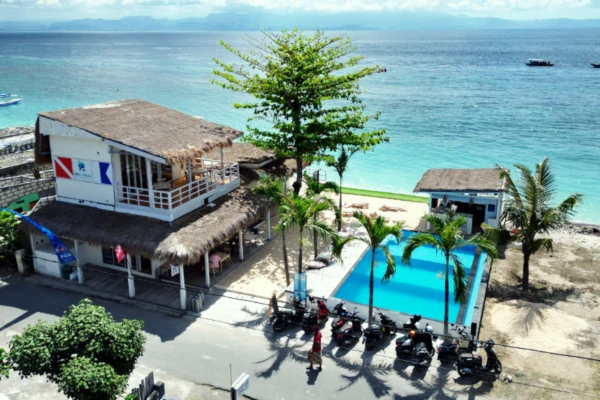
Bali is a dream destination for scuba divers of all levels. With clear waters, vibrant coral reefs, and a wide range of marine life, it’s no surprise that divers from…
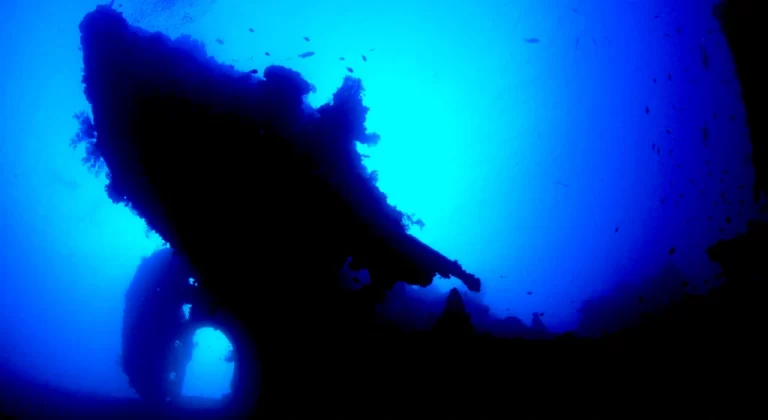
The USAT Liberty Wreck isn’t just old metal underwater but a giant playground of steel and corals waiting to be explored. Stretching 120 meters long, it sits right by Tulamben’s…
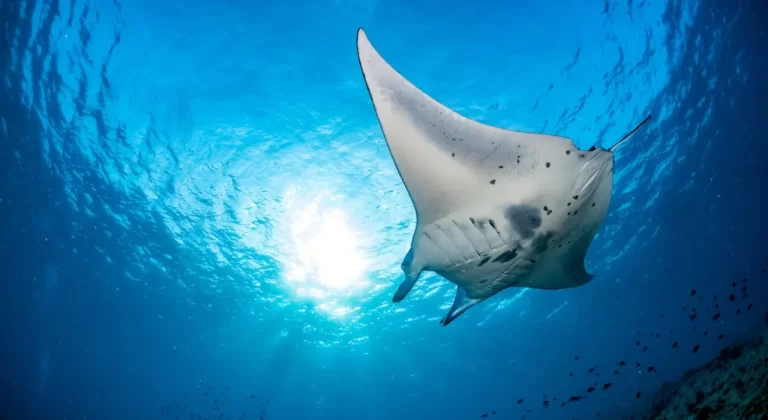
The coral reefs and marine life of Bali are breathtaking and the reason why the region is loved for scuba diving. The warm waters and high visibility enhance the underwater…
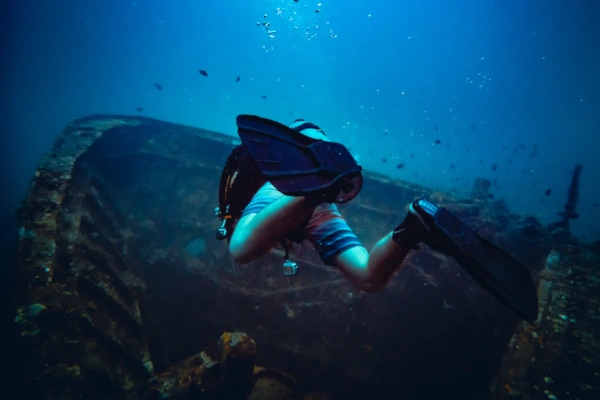
Mastering a range of finning styles is crucial for all levels of divers, from beginners to seasoned instructors. Using the appropriate kick for a given situation can greatly improve your…
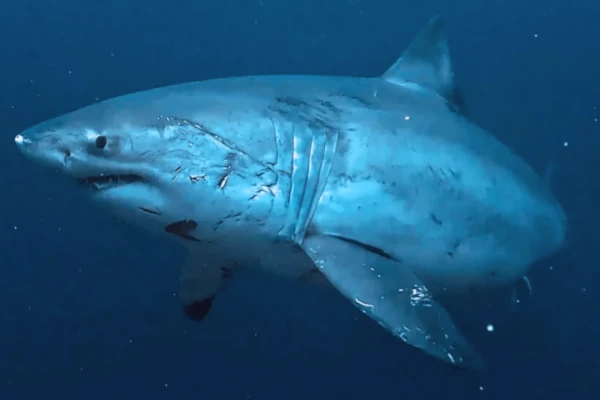
Great white sharks are strong ocean predators, and seeing one in Nusa Penida dive site is really cool. These facts, based on scientific research, explain what makes great white sharks…
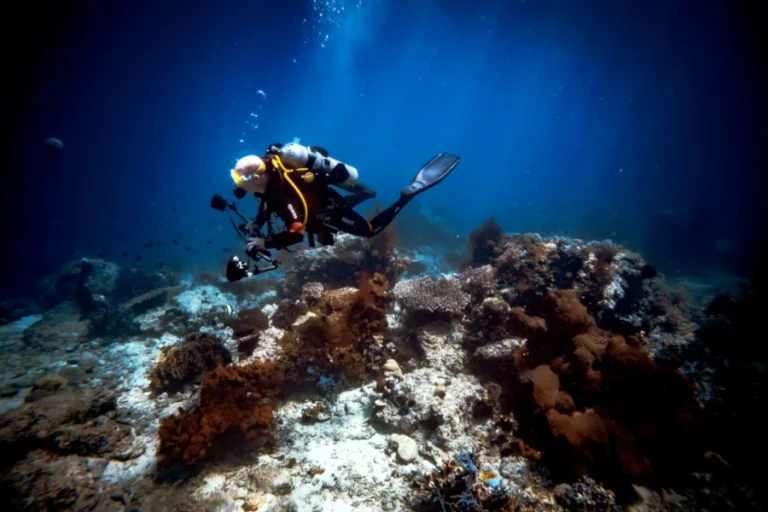
An honest guide to scuba diving in Bali covering dive sites, best seasons, marine life, beginner options, and how to choose a dive center on the island.
The coral reefs and marine life of Bali are breathtaking and the reason why the region is loved for scuba diving. The warm waters and high visibility enhance the underwater…
The USAT Liberty Wreck isn’t just old metal underwater but a giant playground of steel and corals waiting to be explored. Stretching 120 meters long, it sits right by Tulamben’s…