Top 10 Dive Centers in Bali: Where to Find the Best Scuba Diving Experiences
Bali is a dream destination for scuba divers of all levels. With clear waters, vibrant coral reefs, and a wide range of marine life, it’s no surprise that divers from…

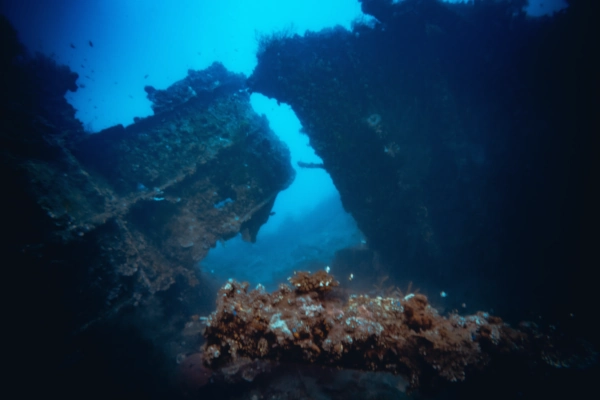
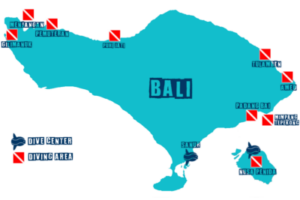
Bali has five diveable wrecks: the USAT Liberty in Tulamben, the Boga Wreck in Kubu, the Japanese Wreck in Amed, the Jepun Wreck in Padang Bai, and the Anchor Wreck at Menjangan Island. They range from a 120-metre World War II cargo ship to a small fishing boat sitting in as little as 6 metres of water.
The sites cover Open Water through Advanced certification levels, and include shore dives, boat dives, beginner-friendly sites, and Advanced-only territory. Here is what each one offers and what you need to dive it.
| Wreck | Location | Depth | Length | Type | Difficulty | Certification | Dive Type |
|---|---|---|---|---|---|---|---|
| USAT Liberty | Tulamben | 6–30 m | 120 m | WWII cargo ship | Easy–Advanced | All levels | Shore dive |
| Boga Wreck | Kubu | 18–34 m | 35 m | Duck boat | Intermediate–Advanced | Advanced OW | Boat dive |
| Japanese Wreck | Amed | 4–8 m | 20 m | Fishing vessel | Easy | Open Water | Shore dive |
| Jepun Wreck | Padang Bai | 17–21 m | ~20 m | Fishing boat | Intermediate | Open Water+ | Shore dive |
| Anchor Wreck | Menjangan | 32–40 m | Unknown | Unknown vessel | Advanced | Technical/Deep specialty | Boat dive |
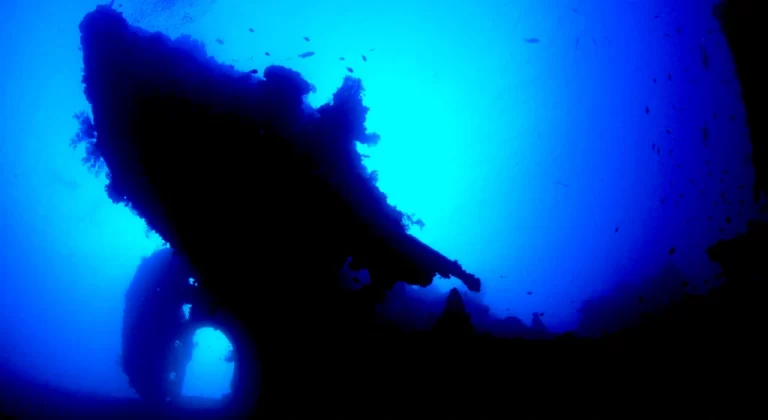
The USAT Liberty Shipwreck is Bali’s most famous dive site and one of the most dived wrecks in the world. The ship was a US Army cargo vessel torpedoed by a Japanese submarine on 11 January 1942. It was beached at Tulamben after flooding from the torpedo damage made it impossible to complete the tow toward Singaraja. The 1963 eruption of Mount Agung pushed it off the beach and into the sea, where it has remained ever since.
The wreck is 120 meters long and runs along a sandy slope from 4 meters at the stern down to 30 meters at the bow. That range makes it one of the few wreck sites in the world that works for Open Water divers, Advanced divers, snorkelers, and technical divers all on the same site. The upper sections are densely covered in hard and soft coral. Fish life is exceptional throughout: bumphead parrotfish are occasionally seen at the site early in the morning, whitetip reef sharks are occasionally seen resting on the wreck, and turtles are commonly seen at the site. The wreck starts 40 meters from shore, so there is no boat involved and the swim out is short.
Open Water certification covers the wreck down to 18 meters, which includes most of the interesting structure. Advanced Open Water divers can reach the deeper bow sections. The site is also one of the best night dives in Bali, with crabs, lobsters, octopus, and Spanish dancer nudibranchs all becoming active after dark.
Wreck dive trips to Tulamben depart from Sanur and cost IDR 1,850,000 per person for a certified diver with 2 fun dive, including transport, equipment, and a guide.
The Boga Wreck is Bali’s newest diveable wreck and one of its deepest. The ship is a 35-metre Indonesian government patrol vessel that was deliberately sunk in 2012 near Kubu village, a short drive north of Tulamben, to create an artificial reef. It now lies on its side on a sandy volcanic slope between 18 and 34 metres.
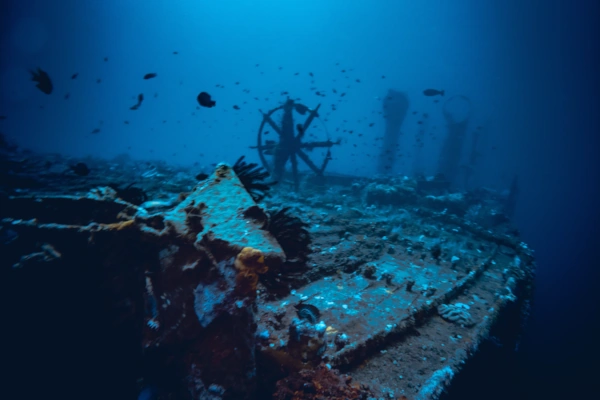
Because the wreck is still relatively young, coral growth is only beginning to establish itself. What it lacks in coral coverage it makes up for in structure. The ship is largely intact, with clear features including the wheelhouse, cargo hold, and propeller still recognisable. A VW car, Buddha statues, and old dive tanks were placed inside before it was sunk, which adds a distinctive character to the dive. Schooling barracuda and batfish are common around the wreck, and macro life on the sandy bottom includes octopus, nudibranchs, and leaf scorpionfish.
Advanced Open Water certification is required. The depth puts the bottom of the wreck beyond the 30-metre recreational limit, so divers who want to reach the deepest sections need a Deep Diver specialty or equivalent. The wreck is accessible as a shore dive from Kubu beach and is a good site for Advanced Open Water training and Wreck or Nitrox Diver specialty courses.
Wreck dive trips to the Boga Wreck depart from Sanur cost IDR 2,050,000 per person for a certified diver 2 fun dive, including transport, equipment, and a guide.
The Japanese Wreck sits in Banyuning Bay near Amed on Bali’s northeast coast, around 50 minutes by road from Tulamben. Despite its name, the wreck has no connection to Japan or World War II. It is a small wooden fishing boat from Java, resting in shallow water just off the black pebble beach. The name comes from a local pronunciation mix-up: when Balinese speakers said “Javanese,” it sounded like “Japanese,” and the name stuck. It is inaccurate but now universally used.
The wreck itself is approximately 20 metres long and lies in 4–8 metres of water. It is in poor condition and largely broken up, snorkelers enjoy the top sections, but for divers the wreck serves mainly as an entry and exit landmark rather than the focus of the dive. Leaf scorpionfish, stonefish, and nudibranchs are found around the structure.
The real interest is the surrounding reef, which offers two distinct dives from the same entry point. The left side features a steep coral slope dropping to around 30 metres with strong hard coral coverage. The right side is more gradual, with sandy areas and coral bommies reaching around 25 metres. Pygmy seahorses can be found in the sea fans, and ghost pipefish and gobies are regularly spotted across both sides. Currents are generally mild but can be unpredictable, so diving with a guide who knows the site is recommended.
Wreck dive trips to Amed depart from Sanur cost IDR 2,300,000 per person for a certified diver 2 fun dive, including transport, equipment, and a guide.
The Jepun Wreck sits at the Tanjung Jepun dive site on the north side of Padang Bai, a 15-minute ride by traditional jukung from Padang Bai harbour. It is a small fiberglass fishing boat lying at 17 to 21 metres on a sandy slope, surrounded by artificial reef structures that have been placed at the site over the years.
The wreck is not large, but it has developed into an excellent macro dive. Schooling glassfish are a common sight around the wreck. Frogfish are regularly found on and around the structure. Blue-spotted stingrays are common on the sandy bottom, along with cuttlefish, ribbon eels, lionfish, and moray eels. The site is also one of the best night dives in Padang Bai, where the wreck attracts active hunters and Spanish dancers appear on the sand nearby.
Open Water certification is sufficient. The site is relaxed with mild currents and suits divers of all experience levels. It is a practical first wreck dive for anyone building confidence before attempting the Liberty or the Boga. The surrounding Tanjung Jepun reef extends the dive well beyond the wreck itself if conditions allow.
Guided dive trips to Padang Bai depart from Sanur cost IDR 1,950,000 per person for a certified diver with 2 fun dive, including transport, equipment, and a guide.
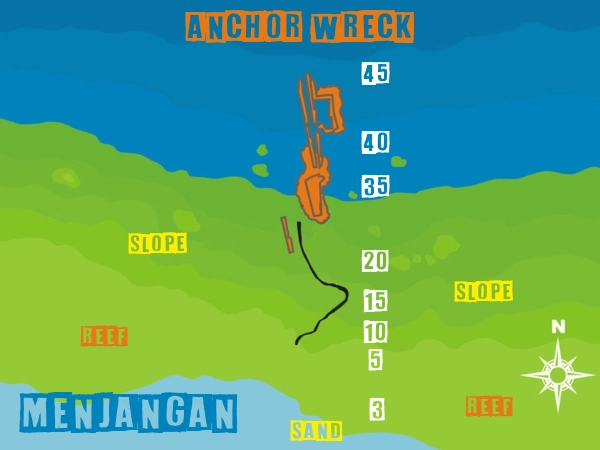
The Anchor Wreck gets its name from a large old anchor lying in the shallows at the start of the dive. The anchor once belonged to a wooden ship from the 19th century. Most of that ship has broken apart over time. What remains is scattered across the slope below, at depths between 32 and 40 metres. Advanced Open Water certification is required. Most divers come for the wall and the marine life, not the wreck itself.
The real draw at Menjangan Island is the steep wall and reef structure that drops away nearby. Large sea fans, sponges, and healthy corals cover the wall, and fish life is impressive throughout. Schooling fusiliers are common, along with bluefin trevally and giant trevally hunting in the blue, blacktip and whitetip reef sharks cruising nearby, and turtles passing regularly. Macro divers will find nudibranchs, pygmy seahorses, ghost pipefish, and seamoths on the shallow sandy plateau at the end of the dive. Light current during mid-year months when southern winds are stronger can create a gentle drift toward the Eel Garden area, making the dive especially dynamic.
The dive typically finishes in shallow, bright water over white sand and coral patches, good for both wide-angle photography and close-up critter spotting.
Reaching the Anchor Wreck requires a national park entry fee, paid at the ranger station at Labuhan Lalang. Boat access from Pemuteran takes 25 to 40 minutes. Menjangan is too far from Sanur to visit comfortably as a day trip. Bali Aqua includes it in overnight dive packages that combine the site with accommodation in Pemuteran.
It depends on which wreck you are diving.
The Japanese Wreck in Amed is the most accessible. Open Water certification is sufficient, and snorkelers can visit the upper sections without any certification at all. The Jepun Wreck in Padang Bai and the upper sections of the USAT Liberty also fall within Open Water depths. These three sites cover the majority of what makes wreck diving in Bali appealing and are manageable for divers with limited experience.
The USAT Liberty below 18 metres, the Boga Wreck, and the Anchor Wreck at Menjangan all require Advanced Open Water certification. The Boga and Anchor Wreck both sit between 18 and 40 metres at their deepest, and divers who want to reach the deepest sections of the Boga benefit from a Deep Diver specialty in addition to their Advanced certification.
The PADI Wreck Diver specialty is not required at any of Bali’s recreational wreck sites, but it is worth considering if penetration diving is a goal. The Liberty is largely open structure – the wreck is fragile and heavily deteriorated, making penetration unwise and unsafe. True penetration diving at sites where it is appropriate requires skills that the specialty covers: laying guidelines, managing limited visibility, and planning entry and exit routes. Without that training, wreck penetration is off-limits regardless of certification level.
If you are not yet certified, a PADI Discover Scuba Diving experience allows you to dive the shallower sections of the Liberty with an instructor.
Bali Aqua runs wreck dive trips to Tulamben, Amed, and Padang Bai from our base in Sanur. The trips cover the USAT Liberty, the Boga Wreck, the Japanese Wreck, and the Jepun Wreck, with guides matched to your certification and experience level. Whether you are making your first wreck dive or working toward the PADI Wreck Diver specialty, trips can be tailored to what you want from the dive.
For Menjangan Island and the Anchor Wreck, we recommend combining the dive with an overnight stay in Pemuteran. Contact us to put together an itinerary that fits your schedule and goals.
Bali Aqua runs wreck dive trips to Tulamben, Amed, and Padang Bai from our base in Sanur. Contact us to check availability, discuss your certification level, or plan an overnight trip to Menjangan.
There are five diveable wrecks in Bali: the USAT Liberty in Tulamben, the Boga Wreck in Kubu, the Japanese Wreck in Amed, the Jepun Wreck in Padang Bai, and the Anchor Wreck at Menjangan Island. They range from shallow beginner sites to deep Advanced-only territory, and each one is different in character.
Yes. The wreck starts at 6 metres at the top of the cargo hold and stays within Open Water depth limits down to 18 metres, which covers most of the key features. The site has no current and visibility is generally good. A guide will stay with you throughout the dive.
The Japanese Wreck in Amed. It sits in 4 to 8 metres of water, suits Open Water divers and snorkelers, has no current most of the time, and is a short swim from the beach. It is a practical first wreck experience before moving on to the Liberty or the Boga.
It depends on the site. The Japanese Wreck in Amed and the Jepun Wreck in Padang Bai are both within Open Water depth limits and do not require Advanced certification. The upper sections of the USAT Liberty are also accessible to Open Water divers. Advanced Open Water certification is required for the Boga Wreck, the deeper sections of the Liberty below 18 metres, and the Anchor Wreck at Menjangan. If you are not yet Advanced certified, Bali is one of the best places to complete the course – the Liberty alone covers two of the five required adventure dives, typically the Deep Dive and Wreck Dive, allowing you to explore most of the ship in a single trip.
All five wrecks are diveable year-round. Visibility is generally best during the dry season from April to October. The USAT Liberty sees the most divers between July and September, so arriving early in the morning is particularly important during those months.
Yes, and it is one of the best night dives in Bali. After dark, crabs and lobsters become active across the wreck, Spanish dancer nudibranchs appear on the sand around the structure, and octopus are regularly spotted hunting. The site is well known to local guides at night and navigation is straightforward.
Yes, when done with a qualified guide and within your certification level. All five wrecks in Bali are recreational sites with well-established dive protocols. The USAT Liberty and Japanese Wreck are among the most relaxed wreck dives in Southeast Asia. The Boga and Anchor Wreck require more experience due to depth, but are regularly dived without incident by properly certified divers. The Boga Wreck has two interior decks that can be entered – both are open penetrations with a visible exit within 10 metres at all times, keeping the dive well within safe recreational limits. Bali Aqua assigns guides based on your certification and experience, and all equipment is checked before every dive.
Bali is a dream destination for scuba divers of all levels. With clear waters, vibrant coral reefs, and a wide range of marine life, it’s no surprise that divers from…
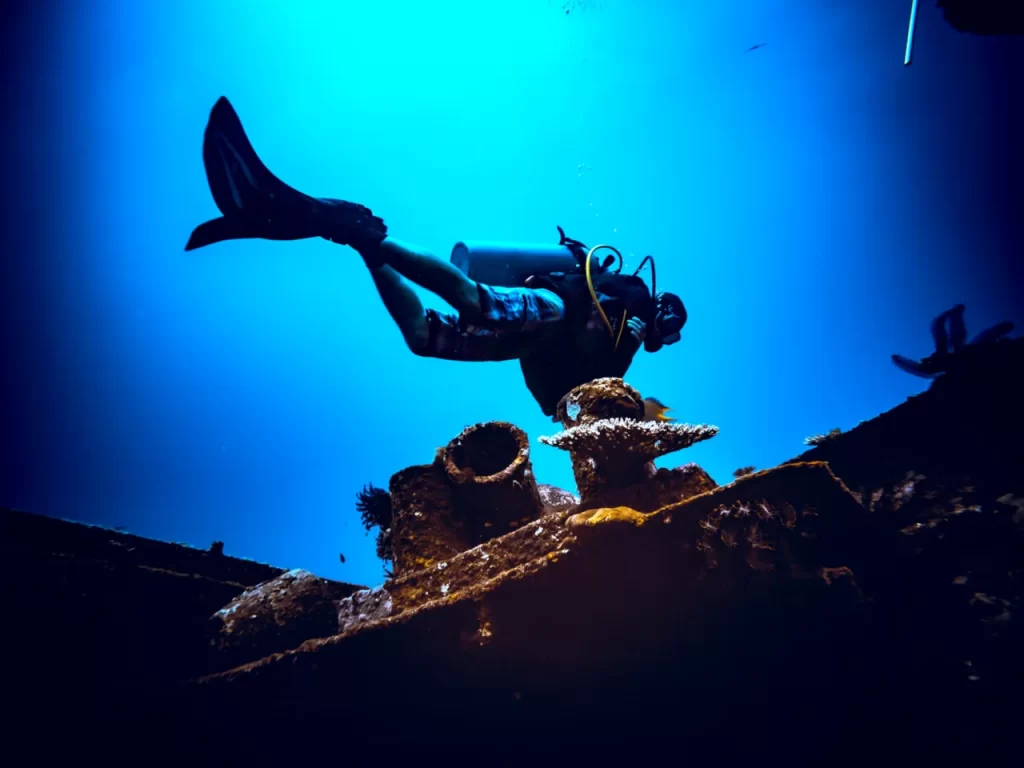
The USAT Liberty Wreck isn’t just old metal underwater but a giant playground of steel and corals waiting to be explored. Stretching 120 meters long, it sits right by Tulamben’s…
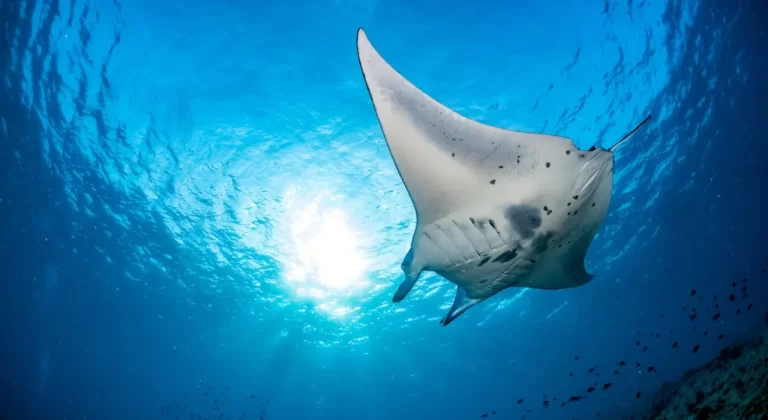
The coral reefs and marine life of Bali are breathtaking and the reason why the region is loved for scuba diving. The warm waters and high visibility enhance the underwater…
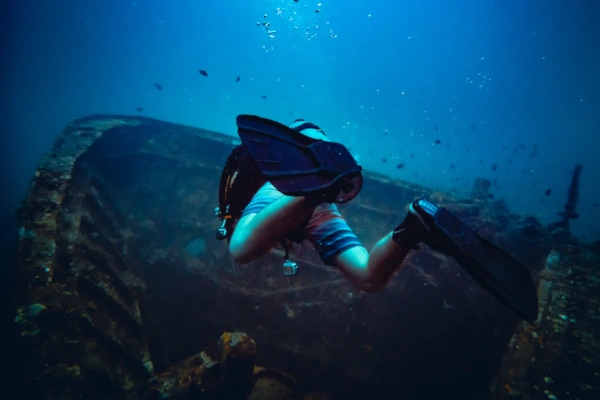
Mastering a range of finning styles is crucial for all levels of divers, from beginners to seasoned instructors. Using the appropriate kick for a given situation can greatly improve your…
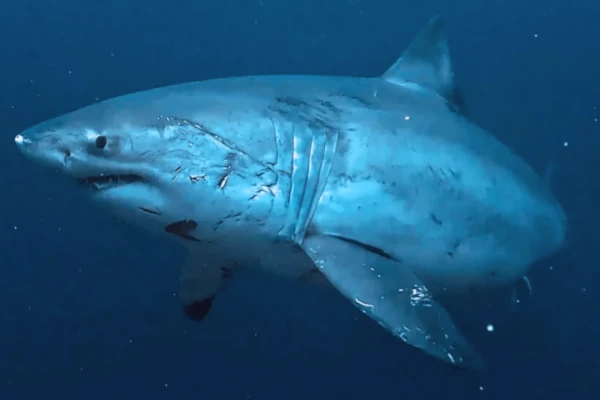
Great white sharks are strong ocean predators, and seeing one in Nusa Penida dive site is really cool. These facts, based on scientific research, explain what makes great white sharks…
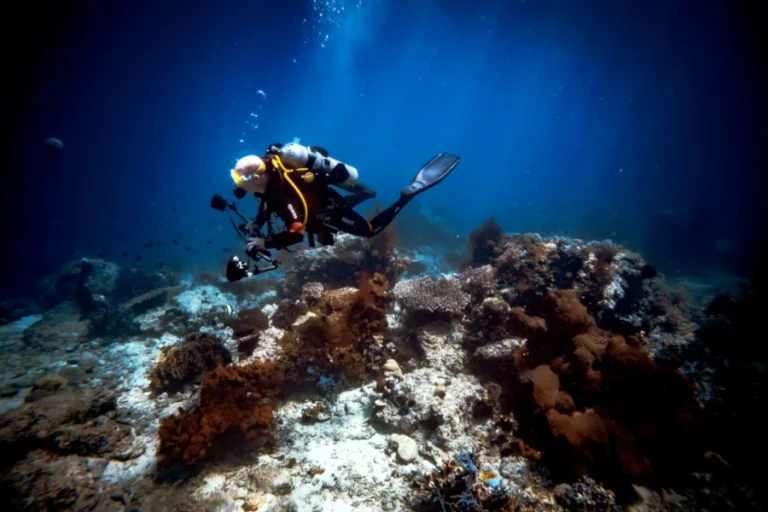
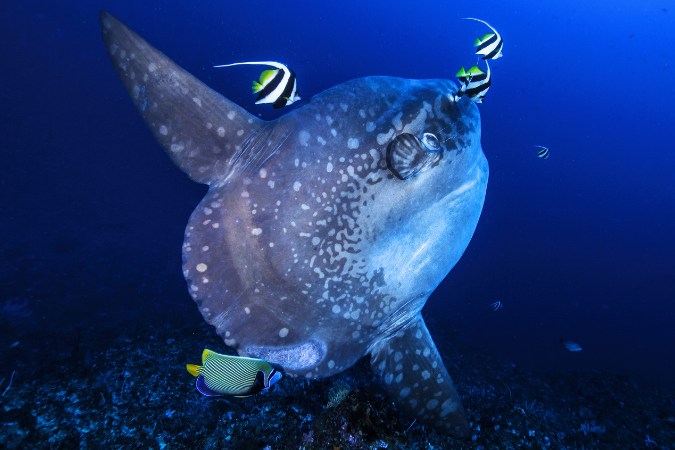
Mola mola are one of the most sought-after encounters in recreational diving. This guide covers the 7 best destinations in the world to see them, including when to go, which…
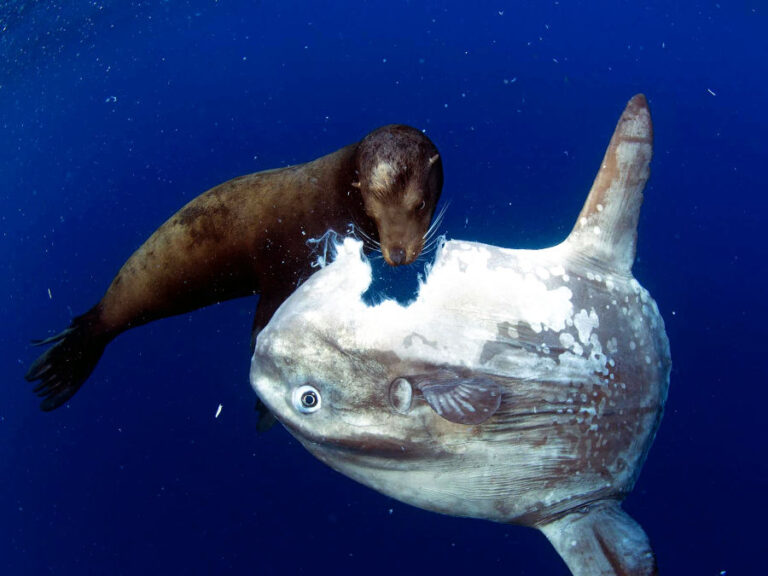
The internet claims mola mola are the dumbest fish alive. But science tells a completely different story. Here’s the truth about ocean sunfish intelligence.
Discovery Scuba Diving (DSD) is a PADI-recognized introductory experience designed specifically for beginners and first-time divers. It needs no prior training, no high-level swimming ability, and can be finished in…