You are here:

Is Scuba Diving in Bali Worth It? An Honest Diver's Guide

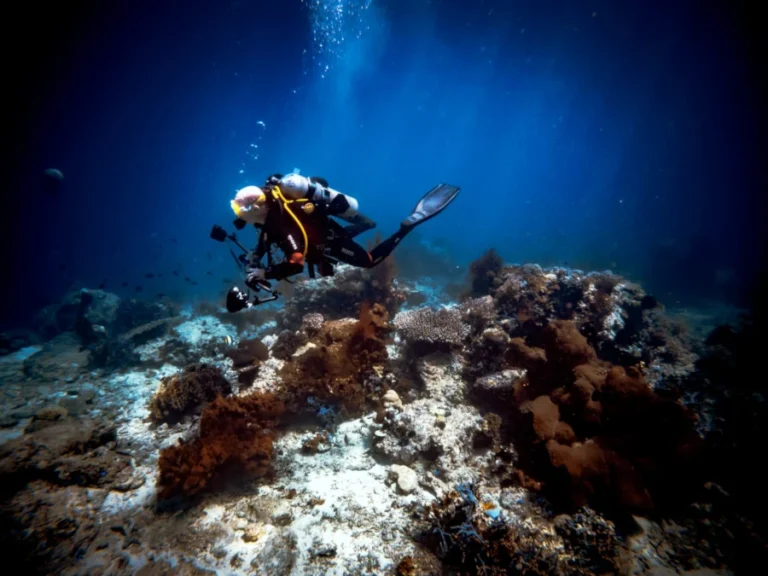
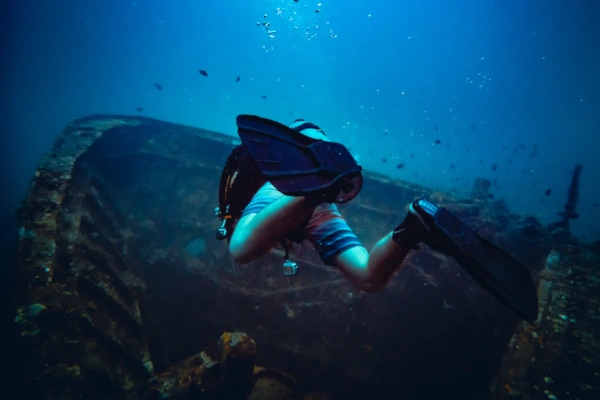
Scuba diving in Bali – diver exploring a coral garden
© Bali Aqua

Bali sits inside the Coral Triangle, the most biodiverse marine region on Earth. That single fact explains why divers keep coming back. More than 1,300 fish species, year-round manta rays, seasonal mola mola, WWII shipwrecks, volcanic muck slopes, and dramatic drift dives – all within a two-hour drive or a short boat ride from Sanur.
No single dive destination offers everything. But Bali comes closer than almost anywhere else, at a fraction of the cost of comparable destinations in Australia or Europe. This guide covers what Bali diving actually delivers, when to go, what you will see, and what to expect as a beginner or experienced diver.

Table of Contents

Why Bali Is a World-Class Dive Destination

Scuba diver exploring a coral wall covered in sea fans while diving in Bali
© Bali Aqua

Bali’s geography does most of the work. The island sits in the path of the Indonesian Throughflow, where Indian Ocean and Pacific Ocean waters converge. That flow pushes cold, nutrient-rich water up from depth, feeding the reef systems and drawing in large pelagic animals that would not otherwise appear in shallow coastal waters.

Water temperatures are comfortable for most of the year, though conditions vary by area and season. Visibility ranges from around 10 metres on difficult days to 20–30 metres in ideal conditions, enough to make most dives rewarding regardless of when you visit.

The site variety is the real differentiator. Within a two-hour drive from Sanur you can go from a shallow macro dive on a volcanic black-sand slope to a deep wall covered in sea fans to a WWII wreck diveable from the beach. Most destinations offer one or two diving styles. Bali offers all of them, across more than 90 mapped dive sites.

Timing still matters for specific sites and animals, covered in detail in the seasons section below, but good diving is available somewhere on the island in every month of the year.

How Many Dive Sites Does Bali Have?

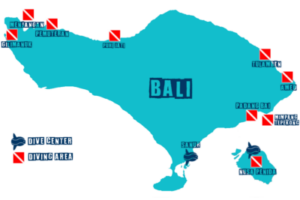
Bali has more than 90 mapped dive sites spread across six main diving areas, each with a distinct character. From beginner-friendly shore dives in Tulamben to advanced drift dives in Nusa Penida, the range covers every certification level and diving interest. The table below gives a quick overview before the sections that follow go deeper. For full site descriptions, visit the Bali dive sites guide.

AreaSitesDive StyleLevelHighlights
Tulamben~15Wreck, macro, reefAll levelsUSAT Liberty wreck, bumphead parrotfish
Nusa Penida & Lembongan~25Drift, wall, reefIntermediate–AdvancedManta rays, mola mola, reef sharks
Padang Bai~10Reef, macro, muckBeginner–IntermediateFrogfish, blue-spotted stingrays, reef sharks
Gili Tepekong & Mimpang~5Drift, wallAdvancedReef sharks, mola mola, strong currents
Amed~12Reef, macro, wreckBeginner–IntermediatePygmy seahorses, Japanese Wreck, coral bommies
Menjangan & Pemuteran~24Wall, reefAll levelsPristine walls, sea fans, Anchor Wreck

What Makes Bali Diving Different from Other Destinations?

Most dive destinations are specialised. Some are known for pelagics, others for macro, others for wrecks or walls. Bali is one of the few places in the world where all of these exist within the same island, at accessible depths, for divers of every certification level.

A single trip to Bali can include a night dive on a WWII wreck, a drift dive past manta rays, a slow macro dive on a volcanic black-sand slope, and a wall dive through a sea fan garden. These are not compromises or second-best alternatives. Each one is genuinely world-class in its category.

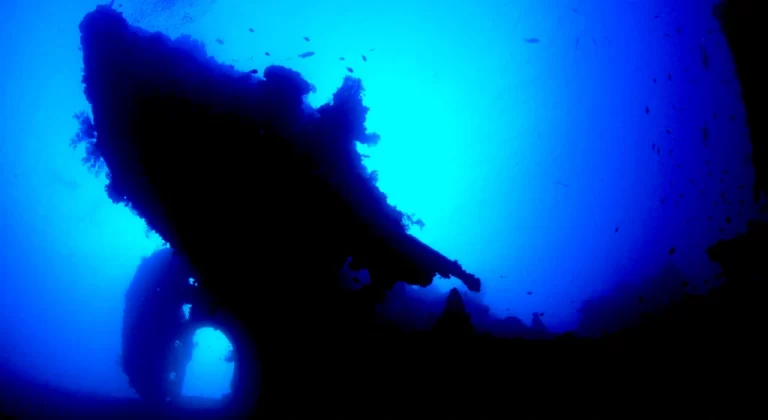
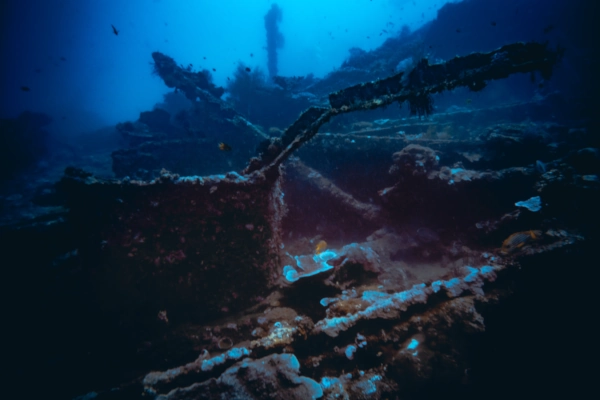
The entry barrier is also lower than most comparable destinations. Many of Bali’s best sites are shore dives with easy beach entries, no boat fees, and no long surface swims. The USAT Liberty in Tulamben, one of the most dived wrecks on the planet, sits 30 metres from the beach and is accessible to Open Water divers on their first ocean dives. For complete beginners, a Discover Scuba Diving experience at the same site delivers an unforgettable first introduction to the underwater world.

For certified divers seeking more challenge, sites like Nusa Penida and Gili Tepekong deliver strong currents, deep walls, and pelagic encounters that match anything in the Indo-Pacific region. With six distinct diving areas to explore, many divers find that a multi-day dive package or a dive safari is the most rewarding way to experience what the island offers.

What Marine Life Will You See Diving in Bali?

Bali’s position in the Coral Triangle means marine life diversity is genuinely exceptional. These are the species and encounters that define diving here.

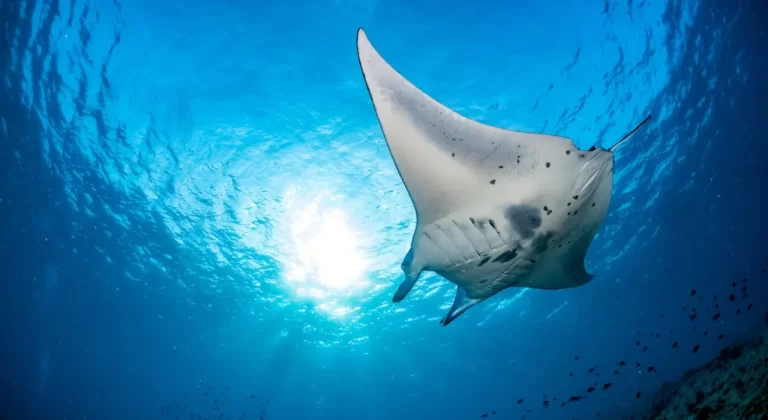
Manta rays are one of Bali’s most reliable big animal encounters. Manta Point in Nusa Penida has resident mantas that visit cleaning stations year-round. Sightings are not guaranteed on every dive, but the site is among the most consistent manta encounters in the world.

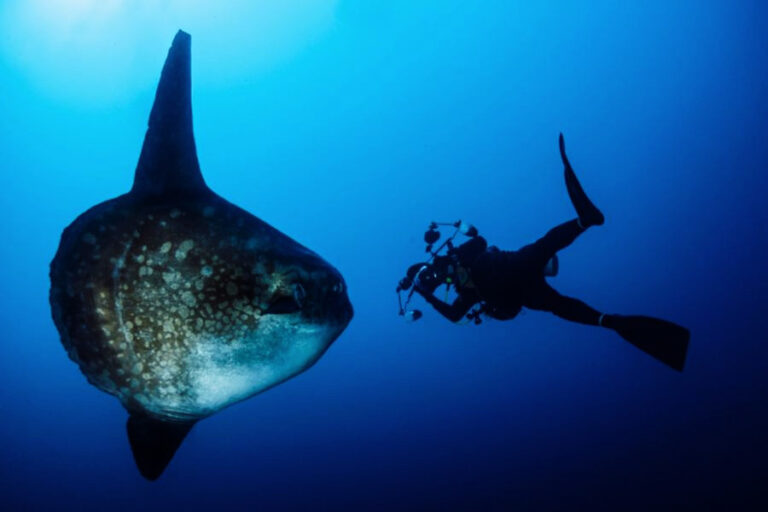
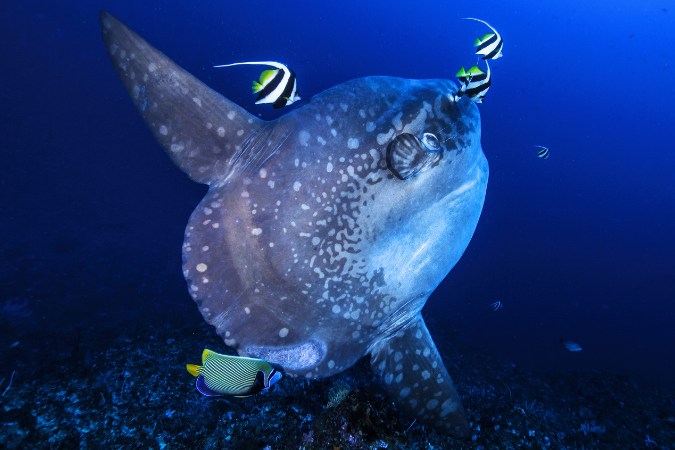
Mola mola appear in Bali’s waters between July and October, drawn up from depth by cold water upwelling around Nusa Penida and the Gili sites. Crystal Bay and Blue Corner are the most productive sites. Thermocline temperatures can drop significantly during this season, so a wetsuit of at least 5mm is recommended.

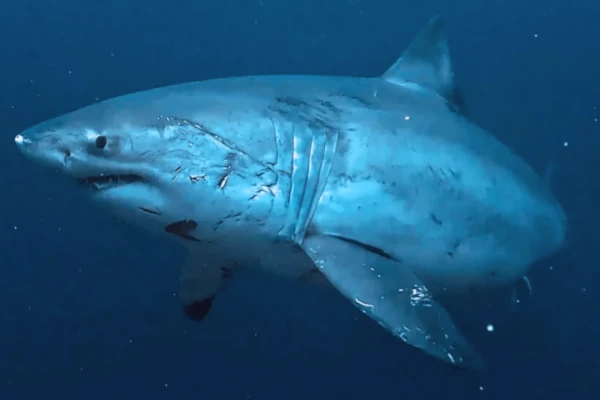
Reef sharks are a regular presence across multiple sites. Whitetip and blacktip reef sharks are commonly seen across Bali, with the highest concentration at Gili Tepekong and Mimpang. Hammerhead and thresher sharks are rare but have been reported at Nusa Penida and Gili Selang, and occasionally by technical divers around Tulamben and Amed.

Macro life is where Bali genuinely stands apart. Pygmy seahorses, ghost pipefish, frogfish, harlequin shrimp, mimic octopus, and nudibranchs are found across Tulamben, Padang Bai, and Amed. Experienced guides and macro spotters make a significant difference at these sites.

Sea turtles are seen on almost every reef dive across the island, particularly in Menjangan, Nusa Penida, and Padang Bai.

Whale sharks pass through Bali’s waters occasionally, but sightings are rare and unpredictable. When they do appear, encounters are brief as the animals continue their migration.

When Is the Best Time to Dive in Bali?

Bali is a year-round dive destination, but conditions vary significantly by season and by area. Understanding the seasonal patterns helps you plan for the marine life and conditions that matter most to you.

Dry season: May to October

This is the best all-round period for diving in Bali. Visibility is generally at its best across most dive areas and conditions are more predictable than other months. July and August bring the strongest southern winds of the year, which can create swell on the south coast of Nusa Penida, occasionally making sites like Manta Point unreachable for a day or two. When conditions allow, this period coincides with mola mola season, making it the most sought-after time to dive Nusa Penida.

Cold water upwelling between July and October brings mola mola up from depth around Nusa Penida and the Gili sites. Crystal Bay and Blue Corner are the most productive sites. Water temperatures can drop noticeably during this period, particularly in thermoclines, so a 5mm wetsuit is recommended.

Wet season: late December to late February

Conditions are generally still diveable across most of Bali during the wet season and dive sites are quieter. Visibility can be affected in areas exposed to runoff, so site selection matters more during this period. Nusa Penida and Menjangan tend to hold better conditions and are good choices when the wet season is at its most active.

Transition months: March to April and November to December

These months sit between seasons and can deliver excellent conditions, often with fewer divers in the water. Visibility and sea state are variable but frequently good. Manta rays remain active year-round at Nusa Penida regardless of season.

Is Bali Good for Beginner Divers?

Bali is one of the better places in Asia to try diving for the first time or to earn a certification. The combination of accessible sites, experienced instructors, and lower costs makes it a practical choice for beginners at any stage.

Discover Scuba Diving

A Discover Scuba Diving experience is available across most of Bali’s main dive areas, each with its own character. Tulamben and Amed offer easy shore entries on calm volcanic slopes, ideal for a first introduction underwater. Padang Bai runs DSD from a traditional jukung boat with generally relaxed conditions. Menjangan Island is particularly well suited to beginners, warm water, minimal current, and a mooring entry make it one of the most comfortable DSD locations on the island.
Nusa Penida is also possible for Discover Scuba Diving, but the sites are more demanding. A pool training session the day before is strongly recommended before attempting a DSD dive at Manta Point.

PADI Courses

For divers who want a full certification, Bali is an excellent place to complete a PADI Open Water course. By the second day of training, students have already completed their pool sessions and two open water dives, which opens up a wider range of sites for the remaining dives. Courses are available at all certification levels from Open Water through to Divemaster, with instructors experienced in teaching in multiple languages.

Cost is a practical advantage. PADI courses in Bali are significantly less expensive than equivalent courses in Australia or Europe, and the training takes place on some of the best reef and wreck sites in the Indo-Pacific region.

How Much Does Scuba Diving in Bali Cost?

Scuba diving in Bali offers strong value compared to most destinations of equivalent quality. Prices vary by area, trip type, and operator, but the ranges below give a realistic picture of what to expect.

Fun dives

Guided fun dives including equipment, a local guide, and transport typically range from IDR 400,000 to IDR 700,000 per dive for shore dives at nearby sites. Day trips to more distant areas such as Tulamben, Amed, or Nusa Penida from South Bali include transport and generally range from IDR 1,800,000 to IDR 2,700,000 per person for two dives. Prices vary depending on the area and the inclusions.

PADI courses

Certification courses are significantly less expensive in Bali than in Australia, Europe, or Japan. A PADI Open Water course in Bali covers all training in genuinely world-class conditions, at a fraction of the cost of equivalent courses in most Western countries.

Dive packages

Multi-day dive packages covering several areas of Bali offer the best overall value for divers with few days or more to spend. These packages combine transport, accommodation, equipment, and guided dives across multiple dive areas in a single itinerary.

For full current pricing across all trip types and certification levels, visit the Bali Aqua price list.

How to Choose a Dive Center in Bali?

With dozens of dive centers operating across the island, the quality gap between operators is significant. These are the factors worth checking before you book.

PADI certification

A PADI 5-Star rating is the highest operational standard awarded to dive centers. It requires qualified staff, maintained equipment, and consistent training standards. A PADI Course Director or IDC center on site is a further indicator of a serious operation, it means the team trains and certifies divemasters and instructors to the highest level.

Group size

Smaller groups mean more attention underwater and a safer, more personalised dive. A maximum of four divers per guide is a key safety standard. Some operators increase this number by using uncertified assistants, which reduces supervision and compromises safety. Always confirm the guide-to-diver ratio and the certification level of the guide before booking.

Safety and staff standards

In Bali, safety standards vary considerably between operators. An internationally trained and certified team, operating under recognised agency standards, provides a more reliable safety baseline than operations where standards are informal or inconsistently applied. Ask about guide certifications, emergency procedures, and oxygen availability on every dive.

Equipment

Ask whether equipment is serviced regularly and in-house. Operators who service their own gear have full control over maintenance standards. At Bali Aqua, all equipment is TUSA brand, the official distributor of TUSA in Indonesia and all servicing is handled directly by our team.

Marine life knowledge

Guide knowledge makes a measurable difference, particularly at macro and muck diving sites. Dedicated on-site spotters who cover the same small area daily develop an intimate knowledge of resident critters that no visiting guide can replicate. At wider scale, operators who run dive packages and safaris across Bali every week maintain current awareness of conditions and fauna across all areas, which directly improves the quality of your dives.

What Bali Aqua offers

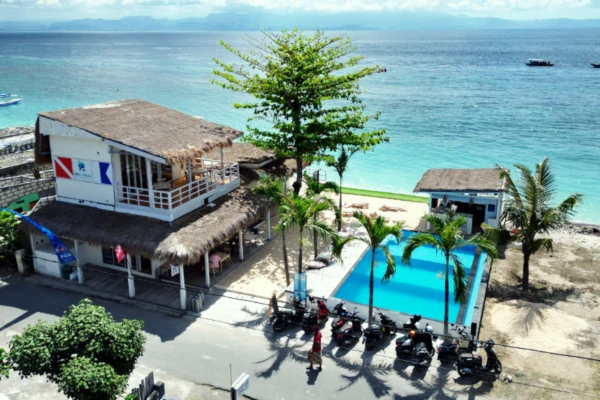
Bali Aqua is a PADI 5-Star dive center based in Sanur, operating since 2008, with operations covering all major dive areas in Bali. All guides are certified divemasters or instructors, groups are kept to a maximum of four divers per guide, and all equipment is serviced in-house by our own team.

Frequently Asked Questions – Scuba Diving in Bali

For most divers, yes. Few destinations combine the site variety, marine life diversity, accessibility, and value that Bali offers in one place. More than 90 dive sites covering wreck, drift, macro, wall, muck, and big animal diving are accessible within a single island. Manta rays are seen year-round, mola mola appear seasonally, and reef sharks, turtles, and exceptional macro life are present across multiple areas. Bali consistently ranks among the best value dive destinations in the world, offering genuinely world-class experiences at accessible prices.

Yes. Bali has a wide range of sites suited to first-time divers, including easy shore entries in Tulamben and Amed, relaxed boat dives in Padang Bai, and calm conditions at Menjangan Island. PADI courses are available at all levels across the island, with instructors experienced in teaching in multiple languages. Training takes place on some of the best reef and wreck sites in the Indo-Pacific region, making Bali an exceptional place to earn a first certification.

A PADI Open Water certification or equivalent is required for fun diving. Complete beginners can try diving through a Discover Scuba Diving experience, which requires no prior training and is conducted under the direct supervision of a certified instructor. DSD experiences are available across most of Bali’s main dive areas, including Tulamben, Amed, Padang Bai, Menjangan, and Nusa Penida.

Yes, when done with a qualified operator. Key factors to check before booking include PADI certification of the dive center, guide-to-diver ratios of no more than four divers per certified guide, in-house equipment servicing, and the availability of oxygen on every dive. Safety standards vary considerably between operators in Bali, so choosing a center with an internationally trained team and recognised agency certification is strongly recommended.

Water temperatures in Bali vary by area and season. Most sites sit between 26 and 29 degrees Celsius for much of the year. During the mola mola season between July and October, cold water upwelling around Nusa Penida and the Gili sites can push thermocline temperatures noticeably lower. A 3mm wetsuit is adequate for most conditions, but a 5mm wetsuit is recommended for Nusa Penida during the cold season.

Bali has more than 90 mapped dive sites spread across six main diving areas: Tulamben, Nusa Penida and Lembongan, Padang Bai, Gili Tepekong and Mimpang, Amed, and Menjangan and Pemuteran. Each area has a distinct character, from shallow macro dives on volcanic slopes to deep wall dives in a national marine park.

Bali works as a showcase for what Indonesian waters offer as a whole, compressed into a single island. The wall diving at Menjangan shares the same character as the famous walls of Bunaken and Manado. The muck diving around Tulamben draws comparisons with Lembeh Strait. The drift dives and pelagic encounters at Nusa Penida mirror what divers travel to Komodo to experience. Bali does not replace those destinations, but it introduces divers to the full range of what Indonesian diving can be, without the need to travel between multiple islands. For many divers, it is where the relationship with Indonesian diving begins.

Facebook
LinkedIn
X
WhatsApp
Email