You are here:

7 Best Places to Dive with Mola Mola: Where to See Ocean Sunfish

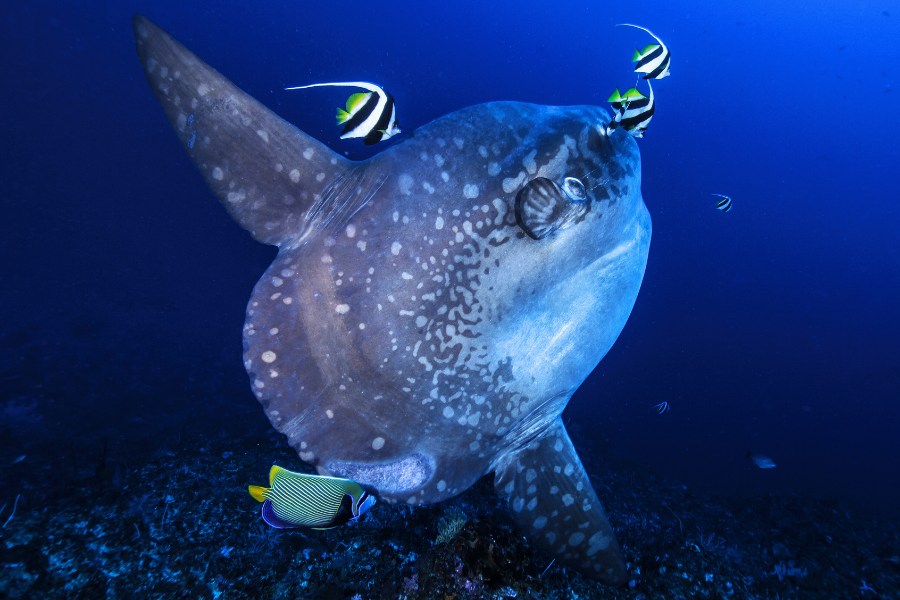
Mola mola in Nusa Penida cleaning station of crystal bay.

Want to see a mola mola in the wild? You’re not alone! These massive, unusual-looking fish have become one of the most wanted diving experiences in the world.

Seven top spots to see mola mola are: Nusa Penida in Bali, the Galapagos Islands, Japan’s Izu Peninsula, the Mediterranean coast of Spain, Musandam in Oman, Komodo Island in Indonesia, and Lisbon in Portugal.

What brings mola mola to these places? Cold water rising from the deep ocean. This cold water brings food, and the mola mola follow it to shallower depths where divers can see them. The challenge is finding them at the right time and place. Mola mola spend most of their lives at depths of more than 200 meters, hunting jellyfish in cold, deep water. But during certain seasons and at specific locations, they rise to shallower depths where divers can encounter them.

This guide covers what to expect at each location, when to go, and how to increase your chances of seeing these incredible fish.

Table of Contents

Nusa Penida-Bali: Best Place to Dive with Mola Mola

Nusa Penida's Mola Mola Advantage

If you only have time for one mola mola diving trip, make it Nusa Penida. This small island southeast of Bali offers the most consistent and accessible mola mola diving in the world.

The waters around Nusa Penida sit where two oceans meet, creating strong currents and cold upwellings from July through October. During these months, water temperatures can drop to 18–22°C or even lower, bringing nutrient-rich water and the mola mola that follow.

Mola Mola Season in Nusa Penida

July through October, with August and September offering the most consistent sightings. Some dive operators report seeing mola mola almost daily during peak season. Early July can also be hit or miss since the water needs time to drop to the right temperature. Late August tends to be more reliable than the start of the season.

Best Mola Mola Dive Sites in Nusa Penida

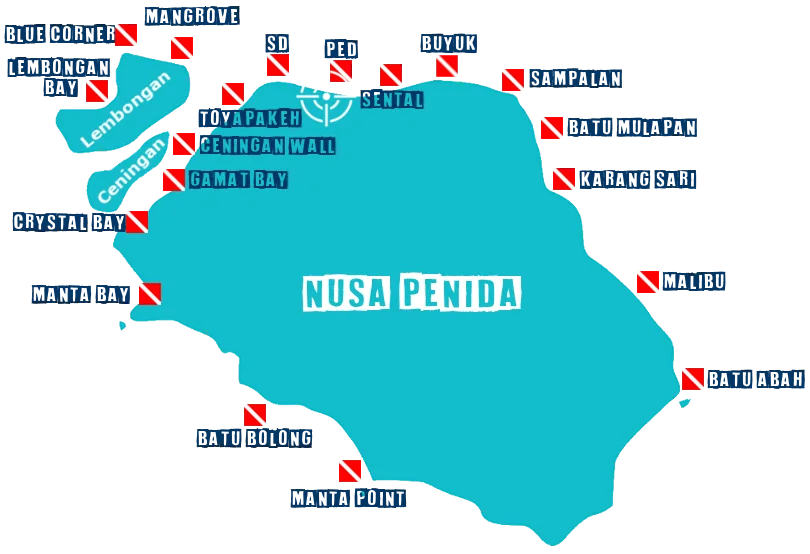
Crystal Bay is the most famous mola mola spot in Bali. The bay acts as a cleaning station where mola mola come to get parasites removed by bannerfish, butterflyfish, wrasse, and angelfish. 

Blue Corner (Nusa Lembongan) is an all or nothing dive. It has produced some of the most spectacular encounters on record, with up to 10 mola mola spotted on a single dive in September 2024, but it has also produced dives with absolutely nothing. It requires perfect conditions to dive safely, specifically a slack high tide with low swell, so don’t plan your whole trip around it.

Toyapakeh and SD Point are located near the channel between Nusa Penida and Ceningan islands, where the same cold currents that drive mola sightings elsewhere around the island keep water temperatures consistently low.  These sites are also well known for their drift diving, making them a great addition to your dive plan if you enjoy going with the current.

Gili Mimpang, Gili Tepekong, and Gili Biaha, near Padang Bai on Bali’s east coast, are underrated mola mola sites where strong Lombok Strait currents create the same cold water conditions as Nusa Penida. Gili Tepekong has recorded up to 18 mola mola on a single dive, and Gili Biaha combines mola mola sightings with a well-known shark cave.

Water Conditions

  • Temperature: 18 to 26°C, coldest during mola mola season
  • Visibility: 10 to 30 meters
  • Currents: Moderate to strong, especially during tidal changes
  • Depth: Most mola mola sightings at 18 to 40 meters

Galapagos Islands: See Mola Mola in the Galapagos

Ilustration of one of the dive site in Galapagos Island
©Scuba Diver Life

Why the Galapagos Stands Out for Mola Mola

The Galapagos needs no introduction. This group of volcanic islands 1,000 km west of Ecuador is one of the world’s best diving destinations, and mola mola are part of the incredible marine life you can see here.

What makes the Galapagos special for mola mola is the cold Humboldt Current sweeping up from the south, which keeps western island sites like Isabela and Fernandina unusually cold year-round. This also means the Galapagos is one of the few mola mola destinations with year-round potential, though sightings peak during the colder months.

Mola Mola Season in the Galapagos

Year-round, with the most consistent sightings from June through November when the Humboldt Current brings cold, nutrient-rich water to the area.

Best Mola Mola Dive Sites in the Galapagos

Punta Vicente Roca (Isabela Island) is the most reliable spot for mola mola in the Galapagos. This site has a sloping wall with small caves, reaching depths of about 27 meters. Mola mola come to be cleaned by smaller fish along the wall. Water here can reach 16 to 20°C, genuinely cold by any standard.

Water Conditions

  • Temperature: 16 to 24°C, coldest at western sites like Isabela
  • Visibility: 10 to 30 meters
  • Currents: Moderate to strong
  • Depth: Mola mola typically seen at 12 to 27 meters

Izu Peninsula, Japan: Mola Mola Diving in Asia

Ilustration for one of the dive site in Izu Peninsula, Japan
©Remote Lands

Japan's Top Mola Mola Dive Spot

Japan’s Izu Peninsula, located about 100 km southwest of Tokyo, is one of the country’s top diving areas. It has a strong diving culture, excellent facilities, and reliable spring mola mola sightings at established cleaning stations. It also doesn’t come up often in mola mola conversations, which makes it one of the most underrated destinations on this list.

Mola Mola Season in Japan

April through August, with the best chances at cleaning station sites like Osezaki and Futo throughout the season.

Best Mola Mola Dive Sites in Izu Peninsula

Osezaki, on the west coast of the peninsula facing Suruga Bay, one of Japan’s deepest bays, is widely considered the most reliable mola mola spot in Izu. Biologists believe it functions as a dedicated cleaning station, which is why mola mola show up here consistently. It’s also regarded as one of Japan’s best macro diving sites, so even on dives without a mola mola sighting, the underwater experience here is exceptional.

Nakagi is another established cleaning station site where mola mola appear seasonally. Less visited than Osezaki, it’s a solid option for divers who want to spread their chances across multiple sites during a stay on the peninsula.

Futo, on the east coast, sees mola mola seasonally between April and August, making it another solid option alongside Osezaki and Nakagi during the season.

Water Conditions

  • Temperature: 15 to 26°C, coolest in April and warming through to August
  • Visibility: Generally good, particularly at east coast sites
  • Currents: Can be strong at west coast sites like Osezaki, calmer at Futo
  • Depth: Varies by site

Mediterranean Spain: Best Place to See Mola Mola in Europe

Ilustration for one of the dive site in Mediterranean Sea in Spain
©Diving in Spain

Europe's Best Mola Mola Spot

Most mola mola destinations are sharply seasonal. Spain’s Mediterranean coast is the exception. The Alboran Sea region, particularly around the Strait of Gibraltar, offers year-round opportunities to see mola mola, making it the most flexible option for divers who can’t control when they travel. Sitting at the crossroads between the Atlantic and the Mediterranean, the Alboran Sea stays cool enough year-round to keep mola mola in the area. Areas around Marina del Este and Tarifa produce the most consistent encounters.

Mola Mola Season in Spain

Spain is the only destination on this list where mola mola can be seen year-round. The Alboran Sea sits at the crossroads of the Atlantic and the Mediterranean, and its consistently cool temperatures keep mola mola in the area across all seasons.

Best Mola Mola Dive Sites in Mediterranean Spain

Marina del Este, set within a protected marine reserve in La Herradura Bay, is one of the most reliable mola mola spots in Spain. It’s a wall dive with rocky formations, sandy areas, and small caves.

Tarifa, at the precise point where the Mediterranean meets the Atlantic, is the other main mola mola site in the region. The site features dynamic underwater landscapes with currents and overhangs, and mola mola appear here opportunistically throughout the year.

Water Conditions

  • Temperature: 14 to 29°C depending on season, cooler at depth
  • Visibility: Good
  • Currents: Moderate, especially near the strait
  • Depth: Varies by site

Musandam, Oman: See Mola Mola in Oman

Ilustration of daily trips departure in Musandam, Oman
©Res Cloudinary

Musandam's Mola Mola Diving Appeal

This Arabian Peninsula destination isn’t as famous as Bali or the Galapagos, but it offers a genuine opportunity to dive with mola mola in a relatively untouched environment with far fewer divers. The underwater topography features steep drop-offs, caves, and vibrant reef sections that are worth diving regardless of whether you see mola mola.

During summer months, mola mola are drawn to the Musandam Peninsula, where they bask near the surface or visit cleaning stations at depths of 20 to 40 meters. Because far fewer divers visit compared to popular destinations, encounters here tend to be less disturbed.

Mola Mola Season in Musandam

June to September offer the best chance to encounter them.

Water Conditions

  • Temperature: Warm overall, with cooler upwellings during mola mola season
  • Visibility: Generally good
  • Currents: Moderate
  • Depth: Near the surface when basking, 20 to 40 meters at cleaning stations

Komodo National Park, Indonesia: Komodo's Best Spot for Mola Mola

Ilustration for Komodo Island located in Labuan Bajo, Indonesia
©Azul Komodo

Mola Mola Diving in Komodo's South

Komodo is world-famous for its diving, and while it’s better known for manta rays, reef life, and strong currents. Mola mola do appear seasonally at southern dive sites. The right way to approach Komodo is to come for the overall diving experience, which is one of the best in the world, and consider any mola mola encounter a bonus.

Best Mola Mola Dive Sites in Komodo

Mola mola in Komodo are concentrated in the south of the park, where cold upwellings from the Indian Ocean bring nutrients to the surface. The south is less frequently dived than the central and northern regions, and is only accessible by liveaboard.

Nusa Kode sits on the southern side of Rinca Island, surrounded by large boulders and rugged underwater terrain. It’s one of the most reliable spots in the park for mola mola sightings, particularly July and August, and also attracts eagle rays, schools of bohar snapper, and impressive pelagics.

Manta Alley, also in the south, is primarily known for manta ray aggregations but mola mola have been spotted here too, making it a rewarding dive regardless of which pelagic shows up.

Mola Mola Season in Komodo

July and August are the best months for mola mola sightings. The south can have rough seas at this time, so access to Nusa Kode and Manta Alley is not always guaranteed.

Water Conditions

  • Temperature: Can drop significantly during upwellings, 20 to 28°C
  • Visibility: Variable, 10 to 25 meters
  • Currents: Can be very strong, Komodo is known for challenging conditions
  • Depth: Varies by site

Berlengas Archipelago, Portugal: See Mola Mola in Portugal

Ilustration for Berlengas Archipelago
©Berlengas Trip

Portugal's Mola Mola Diving Potential

Portugal’s Atlantic coast near Lisbon offers seasonal opportunities to see mola mola in European waters. It’s the newest destination on the mola mola diving map and is still building its reputation, but Atlantic mola mola are genuinely present and sightings are being documented more frequently.

Mola Mola Season in Portugal

Portugal’s mola mola season runs from mid-August through December, making it one of the later seasons on this list. As Atlantic water temperatures begin to cool from late summer onwards, mola mola rise from deeper water and appear more frequently at dive sites around the Berlengas Archipelago.

Best Mola Mola Dive Sites in Portugal

All mola mola diving near Lisbon is based out of Peniche, about an hour north of the city, with boats heading to the Berlengas Archipelago.

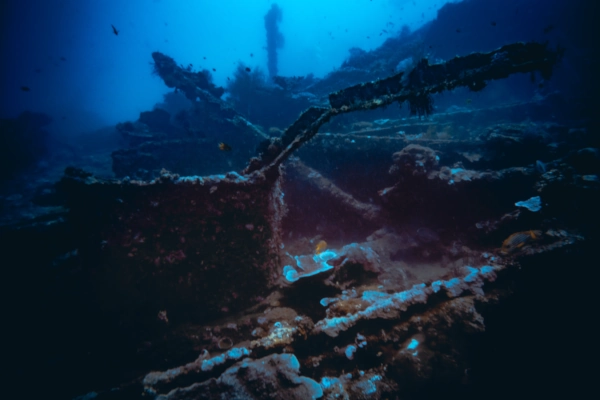
Donkey’s Tail Wall (Parede Rabo de Asno) is the most famous dive in the Berlengas. The wall is covered in red gorgonians and the currents that run along it bring in pelagics including mola mola. The cave at the base sits at around 30 meters, so Advanced certification is needed to explore it fully.

Andreos Wreck (Vapor do Trigo) is one of the most reliable spots in the archipelago for mola mola. Several currents converge here, which is what draws the fish in. Up to 10 mola mola have been spotted in a single dive. It is sheltered enough to be dived even when other sites in the area are too rough.

Water Conditions

  • Temperature: 16 to 21°C in the main dive season. This is cold by most standards, even at the height of summer.
  • Visibility: 10 to 15 meters on average, can reach 25 meters
  • Currents: Moderate across most sites, stronger at the Farilhões islets where Donkey’s Tail Wall is located
  • Depth: 28 to 30 meters at the main mola mola sites

Comparing Your Options to Dive with Mola Mola

Nusa Penida offers the highest success rate for mola mola encounters, making it the best choice for divers who want the greatest chance of a sighting. The Galapagos delivers the most diverse marine life overall, while Spain’s Mediterranean coast is the only year-round option and the most beginner-friendly. Japan’s Izu Peninsula suits divers combining the dive with a broader Japan trip, and Portugal offers the most unique Atlantic encounter in Europe. Komodo and Musandam are best approached as destinations where mola mola are a bonus rather than the main draw.

Essential Tips for Diving with Mola Mola

  • Book during peak season. Arriving outside the season drops your chances significantly, even at the best spots in the world.
  • Plan multiple dive days. Book a minimum of 3 to 5 days. Mola mola are wild animals and don’t appear on every dive, even at top destinations during peak months.
  • Get the right certification. Most mola mola dive sites require Advanced Open Water due to depth and current.
  • Bring a thick wetsuit. A 5mm wetsuit is recommended as a minimum, but a 7mm will be more comfortable.
  • Watch for bannerfish. A cluster of bannerfish hovering in open water away from the reef often signals a mola mola is nearby. Slow down and watch the blue.
  • Dive with experienced operators. Local dive centers track sightings daily and know which sites are actively producing encounters.
  • Move slowly and keep your distance. Stay at least 5 meters away, never chase them, and let the fish decide how close to come.
  • Manage your expectations. No operator can guarantee a sighting. The best encounters happen when you’re relaxed and focused on the dive, not just on the mola mola.

Final Thoughts on Mola Mola Best Diving Places

Diving with mola mola is one of the most sought-after underwater experiences in the world, and these seven destinations give you a real chance of making it happen.

Nusa Penida remains the top destination for mola mola diving globally, with the highest sighting frequency and the most established dive infrastructure. The Galapagos offers the most complete pelagic diving experience, combining mola mola with sharks, rays, and marine iguanas. Spain’s Costa Brava is the only year-round mola mola diving destination and the most beginner-friendly option in Europe. Japan’s Izu Peninsula is one of the most underrated spots on the list, with reliable sightings and a world-class dive destination in its own right. Portugal’s Berlengas Archipelago is the newest mola mola diving destination in Europe, with documented sightings at the Andreos Wreck and Donkey’s Tail Wall from mid-August through December. Komodo and Musandam round out the list as destinations where mola mola sightings are possible but not guaranteed.

The single biggest factor in any successful mola mola dive is timing. Book during peak season, confirm current sighting reports with your dive operator before you travel, and give yourself enough dive days to let the ocean work in your favor.

Facebook
LinkedIn
X
WhatsApp
Email

Frequently Asked Questions – Mola Mola Diving

Nusa Penida in Bali, Indonesia is the best place in the world to dive with mola mola. It offers the highest sighting frequency, the most established dive infrastructure, and multiple proven dive sites including Crystal Bay and Blue Corner.

It depends on the destination. Nusa Penida peaks July to October, the Galapagos peaks June to November, Japan runs April to August, Portugal runs mid-August to December, and Komodo peaks in July and August. Spain is the only year-round option.

Between 18 and 40 meters at cleaning stations on reefs. Shallow sightings do happen, and mola mola have been spotted as shallow as 5 meters, but planning for 20 to 30 meters gives you the best chance.

Advanced Open Water is required for most mola mola dive sites due to depth and current. Spain’s Marina del Este is the main exception, where Open Water certification is sufficient.

A 5mm wetsuit is the minimum recommended. A 7mm wetsuit is more comfortable, especially in destinations like Portugal and the Galapagos where water temperatures drop to 16°C.

Yes. Mola mola are completely harmless to divers and are often curious about humans in the water. The main risks come from the dive conditions at mola mola sites, specifically strong currents and depth, rather than the fish itself.

It varies by destination. Nusa Penida has a four-month season from July to October. Japan runs five months from April to August. Portugal runs approximately four months from mid-August to December. Spain is year-round.

Most destinations can be dived on day trips, including Nusa Penida, Spain, Japan, and Portugal. Komodo’s best mola mola sites in the south of the park are only accessible by liveaboard due to their distance from Labuan Bajo.