Scuba Diving in Bali
A clear guide to dive sites, training, and multi-day diving across Bali.

A clear guide to dive sites, training, and multi-day diving across Bali.
Bali offers reef dives, wrecks, drift sites, training programs, and multi-day dive itineraries across several distinct regions.
Scuba diving in Bali offers a wide range of underwater environments within a relatively small island. From coral reefs and volcanic drop-offs to historic wrecks and seasonal pelagic encounters, diving conditions vary significantly from one region to another.
Some areas are calm and accessible for beginners, while others involve stronger currents suited to experienced divers. Shore dives and boat dives are both available, and it is possible to plan anything from a single day trip to a multi-day diving holiday.
This page explains how diving in Bali is structured, which regions suit different experience levels, and how to choose between daily dives, training, or extended dive packages.
Bali offers one of the most varied diving landscapes in Indonesia within a compact geographic area. Different coastlines present distinct underwater environments shaped by volcanic activity, reef systems, and seasonal ocean currents.
Divers can explore coral slopes, steep drop-offs, black sand macro sites, and historic wrecks. In certain regions, drift dives and deeper profiles are common, while other areas provide calm conditions suitable for entry-level divers.
Marine life diversity is another defining feature. Reef fish, nudibranchs, and macro species are present year-round, while larger pelagic species appear seasonally in specific locations. Because conditions differ between regions, Bali allows divers to choose sites based on experience level, interests, and time available.
This combination of accessibility and variety makes Bali suitable for both short dive stays and longer, multi-area itineraries.
Bali’s coastline is diverse, and each region offers a different style of diving. Conditions, marine life, and accessibility vary between the north, east, and south of the island. Understanding these differences helps divers choose sites and dive center in Bali that match their experience level and interests.
Located on Bali’s northeast coast, Tulamben is known for accessible shore diving and generally calm conditions. Volcanic sand slopes, coral-covered structures, and one of Bali’s most visited wreck dives make it suitable for a wide range of certification levels. You can explore the full list of sites in our guide to diving in Tulamben.
Off Bali’s southeast coast, Nusa Penida offers deeper sites, stronger currents, and seasonal pelagic encounters. Drift diving is common, and conditions can vary depending on tides and swell. Learn more about conditions and sites in our overview of diving in Nusa Penida and Lembongan.
Located on the east coast, Padang Bai offers reef slopes and sandy macro sites. Conditions are often moderate, though currents can increase on certain dives. See detailed information about diving in Padang Bai and the types of sites available.
North of Tulamben, Amed combines coral slopes and relaxed coastal diving. Conditions are generally stable, and several sites suit divers looking for quieter underwater environments. Read more about diving in Amed and its different reef structures.
Part of West Bali National Park, Menjangan is known for clear water and steep coral walls. Diving here typically involves boat access and calm surface conditions. More details are available in our section about diving in Menjangan.
These small islands off Bali’s east coast are more exposed to current and swell. Diving here can involve deeper profiles and stronger movement, making it more suitable for experienced divers. You can review the sites in our guide to diving around Gili Tepekong and Mimpang.
Diving in Bali is accessible to a wide range of experience levels. Some sites are suitable for first-time divers, while others require advanced certification and comfort in stronger currents. Choosing the right format depends on your training, confidence level, and the time available during your stay.
If you have never dived before, you can try scuba diving in Bali under direct supervision without prior certification. Introductory programs include basic theory, shallow-water skills, and guided open-water dives in controlled conditions. This allows beginners to experience Bali’s underwater environment safely before committing to a full certification course.
For those who want to become certified, Bali offers structured training programs through recognized agencies. Our PADI diving courses in Bali combine theory, confined-water practice, and open-water dives in real marine environments. Certification allows divers to join guided dives worldwide and access more advanced sites.
If you are already certified, you can join guided daily dive trips in Bali to explore different regions of the island. Depending on your certification level and experience, this may include reef dives, wrecks, drift sites, or deeper profiles across Bali’s varied coastline.
Bali allows divers to structure their stay in different ways. Some visitors prefer single-day trips from their hotel base, while others choose multi-day programs that combine several regions. The right format depends on your schedule, experience level, and how much of the island you want to explore underwater.
Many certified divers choose daily dive trips in Bali to explore one region at a time while staying in their own accommodation. This format offers flexibility and works well for shorter stays, with guided dives organized according to certification level and conditions.
Divers planning to spend several days underwater often select Bali dive packages that combine different regions into a structured itinerary. These programs simplify logistics and allow a broader overview of the island’s underwater environments without daily planning.
For a longer stay that includes travel between multiple regions, some divers join Bali dive safaris designed to combine diving with overland exploration. These itineraries connect several areas of the island into one extended program.
Many visitors stay in different parts of the island and travel to dive sites for the day. Early departures and organized transport make it possible to join guided dives even if you are not staying near the coast. Travel time and pickup schedules vary depending on your location.

If you are based in Canggu, you can join organized day trips with early hotel pickup and transfer to the departure point. Learn more about diving in Canggu and how trips are structured from this area.

Ubud is centrally located inland, and divers typically join early departures for coastal dive areas. More details about logistics and schedules are available on our page about diving in Ubud.
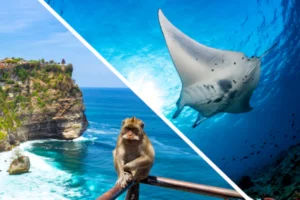
From Uluwatu and the Bukit Peninsula, divers join scheduled transfers toward Bali’s eastern or northern dive regions. Practical information can be found on our page dedicated to diving in Uluwatu.
Diving conditions in Bali vary depending on region and season. Water temperatures typically range between 26°C and 29°C, though certain areas can be cooler during specific months. Exposure protection should be chosen accordingly.
Currents differ between sites. Some regions offer calm profiles suitable for beginners, while others involve stronger movement and are recommended for experienced divers. Certification level and comfort in open-water conditions should guide site selection.
Most dive trips involve early departures, especially when traveling from inland areas. Planning rest days before flying is important, as divers must respect no-fly intervals after their last dive.
Travel insurance that includes scuba diving coverage is recommended. Divers should also ensure that medical questionnaires are completed accurately before participating in training or guided dives.
Understanding these practical aspects helps structure a safe and efficient diving schedule while visiting Bali.
No. Beginners can participate in supervised introductory dives with a certified instructor. However, accessing deeper or more technical sites requires appropriate certification and experience.
Diving is possible year-round. Conditions vary by region and season, with some months offering better visibility or specific marine life encounters. Site selection is usually adapted to weather and sea conditions.
Yes. Several regions offer calm conditions and accessible entry points that are suitable for training and introductory dives. More advanced sites are available for experienced divers.
One day is enough to experience a specific region. However, divers who want to explore multiple areas or combine different environments often plan several days.
Yes. Organized transport allows divers staying inland or in southern Bali to join guided day trips with early pickup and return transfers.